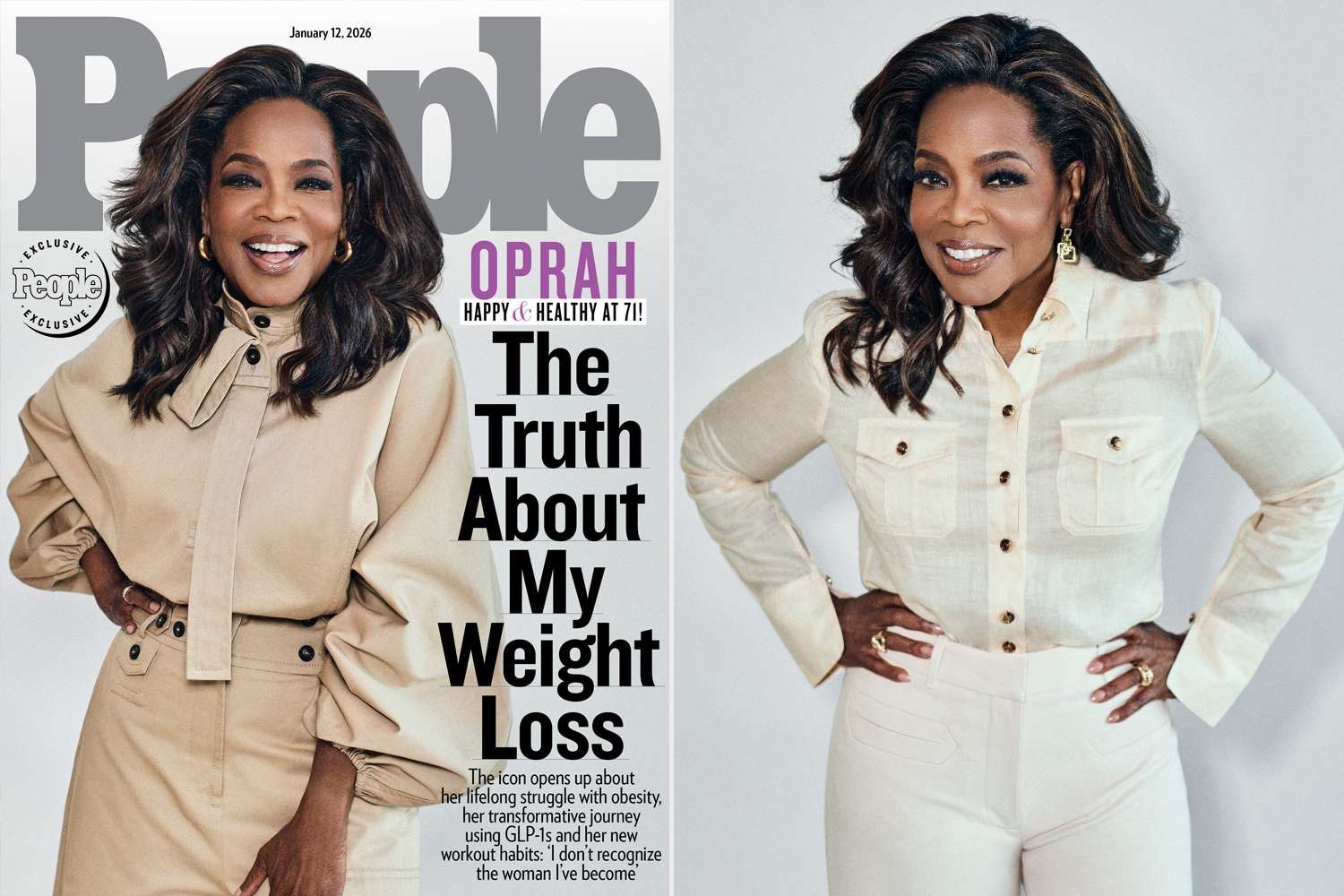
In her latest book, Enough, media icon Oprah Winfrey speaks with rare honesty about her lifelong struggle with weight, the emotional toll it took, and the role she believes she played in reinforcing diet culture’s harsh standards. The book marks a turning point in how she understands obesity—not as a personal failure, but as a complex medical condition deserving compassion and proper treatment.
At the heart of the conversation is a powerful admission that has resonated with many readers: Oprah admits her role in promoting diet culture’s “shame,” and now embraces GLP-1 weight-loss drugs in Enough. For Winfrey, this realization didn’t come easily, but she says it has been deeply freeing.
A Book Rooted in Science and Personal Truth
“Enough,” published by Simon & Schuster, is a collaborative effort between Winfrey and Dr. Ania M. Jastreboff, an endocrinologist and professor at the Yale School of Medicine. Drawing on nearly two decades of obesity research, Dr. Jastreboff helps unpack the science behind weight gain, fad diets, and the rise of modern weight-loss medications.
Throughout the book, Winfrey reflects on how transformative it was to finally accept that obesity is not a moral shortcoming. She describes it as a chronic, relapsing disease—one that requires medical understanding rather than judgment. That shift in perspective, she writes, changed not only how she sees herself, but how she wants the world to talk about weight.
Living in the Spotlight—and Under Scrutiny
Winfrey has spent decades in the public eye, and her body was often treated as public property. In “Enough,” she revisits painful memories, including a humiliating moment on The Tonight Show in 1985 when she was questioned about her weight gain. That appearance, she recalls, turned her into a punchline almost overnight.
Late-night jokes and public commentary followed for years. One especially infamous moment came in 1988, when Winfrey pulled a red wagon filled with 67 pounds of fat across the stage of her talk show to illustrate her weight loss. At the time, it was meant to inspire. Today, she sees it differently.
She now describes that spectacle as one of her deepest regrets, acknowledging that it unintentionally glorified extreme dieting and reinforced unrealistic expectations for millions of viewers.
A Candid Admission About Diet Culture
One of the most striking sections of “Enough” is Winfrey’s acknowledgment of her own influence. She openly admits that through her magazine, television show, and digital platforms, she helped amplify diet culture narratives that fueled shame.

By promoting restrictive diets and dramatic transformations, she says, she unknowingly sent a message that self-worth was tied to body size—and that extreme measures were acceptable, even admirable. Looking back, she recognizes how damaging that message was, not just for audiences, but for herself.
How GLP-1 Medications Changed Her Perspective
Winfrey also shares her experience with GLP-1 weight-loss medications, a topic she once approached with hesitation. Initially, she worried that using drugs originally developed for diabetes might deprive others who needed them more. Over time, her understanding evolved.
Once she accepted obesity as a medical condition rather than a failure of discipline, medication felt less like a shortcut and more like appropriate care. She describes how GLP-1s helped quiet what she calls “food noise”—the constant mental chatter around eating that can dominate daily life.
For Winfrey, the silence was revelatory. She realized that this calm relationship with food is what many people without obesity experience naturally.
Beyond Weight Loss: A Broader Impact
Winfrey credits the medication with benefits that go far beyond the scale. She says it has improved her energy levels, helped her drink less alcohol, and even strengthened her relationship with her longtime partner, Stedman Graham. Most importantly, it has given her peace—something years of dieting never did.
As she makes clear in “Enough,” her goal is not to persuade everyone to follow the same path. Instead, she calls for empathy and respect, urging society to stop shaming people for the choices they make about their bodies and health.