Activist firm Irenic acquires a stake in Integer, signaling potential changes ahead for the company, as Integer Holdings Corp. (NYSE: ITGR) finds itself under increased scrutiny following a sharp share price decline and growing questions around its long-term strategy.
A Snapshot of Integer Holdings
Integer Holdings Corporation is a leading medical device contract development and manufacturing organization (CDMO), best known for its Greatbatch Medical and Lake Region Medical brands. The company partners closely with major original equipment manufacturers (OEMs) such as Medtronic, Boston Scientific, and Johnson & Johnson, providing critical components, subassemblies, and finished devices across a wide range of medical procedures.
Its Cardio & Vascular segment is particularly central to the business, supplying technologies used in interventional cardiology, structural heart, electrophysiology, neurovascular, and other specialized therapies. Integer’s electrophysiology portfolio, for example, supports the treatment of cardiac arrhythmias like atrial fibrillation. With a market capitalization of roughly $3.01 billion, or about $85.78 per share, Integer occupies a unique position as the only publicly traded pure-play medical device CDMO.
Irenic Enters the Picture
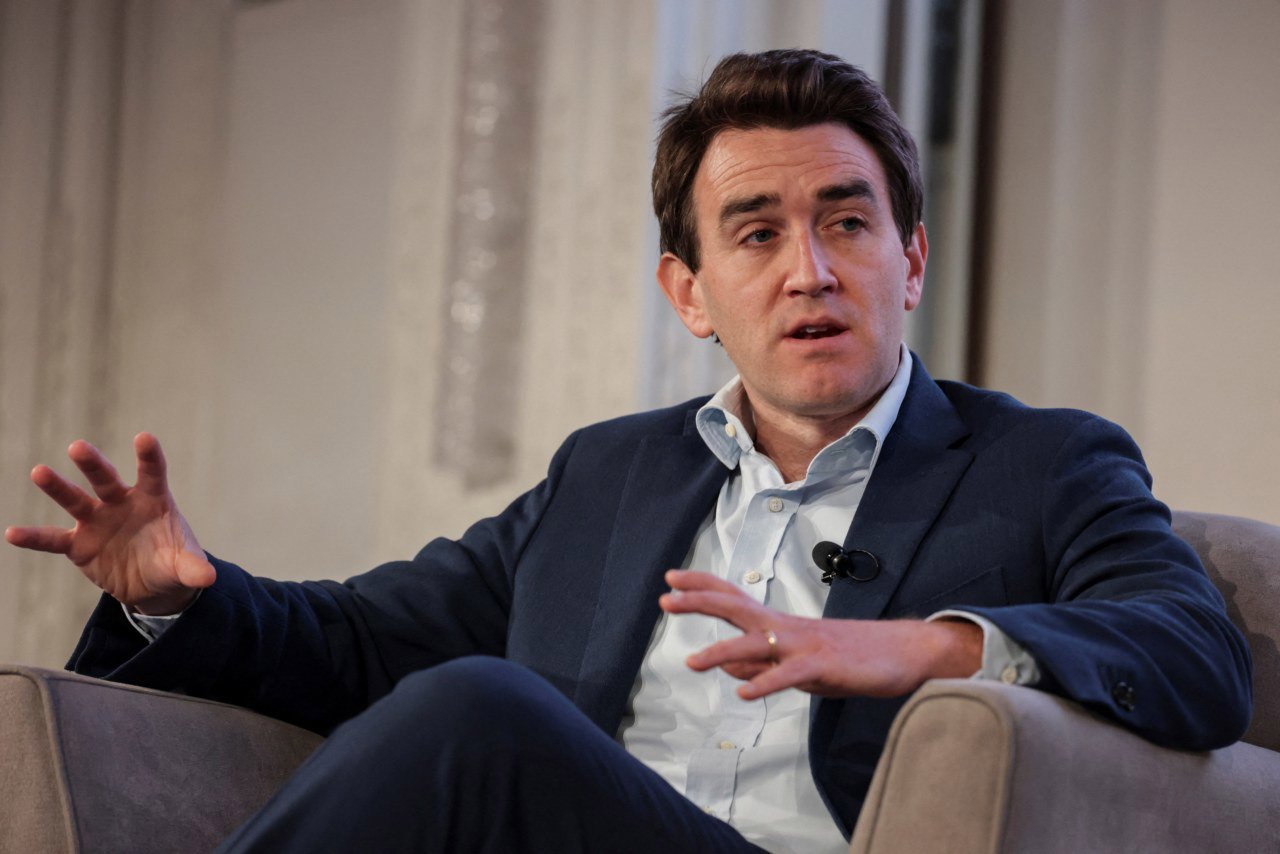
On December 18, reports confirmed that Irenic Capital Management had built a stake exceeding 3% in Integer. The activist firm, founded in 2021 by former Elliott Investment Management portfolio manager Adam Katz and former Indaba Capital partner Andy Dodge, is known for its collaborative yet strategic approach to activism. Irenic typically focuses on unlocking value through board refreshment, spinoffs, or outright sales rather than aggressive public battles.
In Integer’s case, Irenic is reportedly pushing for changes at the board level while urging the company to explore a potential sale.
Why Integer’s Stock Has Struggled
Despite its strong competitive moat, Integer’s share price has fallen nearly 40% over the past year. The decline was triggered by the company’s most recent quarterly earnings report, which revealed that demand for three key products fell short of OEM expectations. As a result, those OEM customers significantly reduced their orders.
This development has created what management describes as a temporary “air pocket” in growth. While Integer typically targets organic growth of 6% to 8%, projections for 2026 have now dropped to a range of -2% to 2%. Although management maintains that growth should normalize by 2027, investors reacted swiftly and decisively, sending the stock sharply lower.
Part of the challenge lies in the nature of Integer’s business. Strict confidentiality requirements prevent the company from offering detailed visibility into its customer pipeline, programs, and platforms. That lack of transparency can amplify investor anxiety, especially during periods of unexpected weakness.
The Case for a Sale
Irenic’s interest in exploring strategic alternatives appears well grounded. As the only public pure-play medical device CDMO, Integer lacks direct public comparables, which has limited investor understanding and analyst coverage. Moreover, businesses with highly confidential customer relationships and regulatory complexity often perform better in private ownership, where long-term planning is less constrained by quarterly market expectations.
Integer itself explored strategic alternatives in 2024 and reportedly received acquisition interest in the $110 to $115 per share range. Although no transaction materialized at the time, recent valuation multiples in the sector suggest meaningful upside. Teleflex Medical recently sold its OEM business at approximately 4.7 times revenue and 16–17 times EBITDA, while competitors such as Resonetics and Confluent Medical—both private equity-owned—were acquired at valuations exceeding 20 times EBITDA.

By comparison, Integer currently trades at roughly 2 times revenue and 12 times EBITDA. Applying peer multiples implies a potential acquisition value north of $120 per share.
Calls for Board Refreshment
Beyond a potential sale, Irenic is also advocating for board refreshment. Of Integer’s 11 directors, five will have served at least a decade by the next annual meeting, including chair Pamela Bailey, who has been on the board for nearly 25 years. Irenic believes adding directors with deeper medical OEM experience and stronger financial expertise would better position the board to evaluate transformative strategic options.
Even absent a sale, fresh perspectives could strengthen governance and improve decision-making at a critical juncture for the company.
What Comes Next
With the director nomination window opening on January 21, attention is now turning to Irenic’s next move. While the firm has the resources to run a proxy contest, its history suggests a preference for negotiated settlements and collaborative outcomes. Should Integer’s board initiate a formal strategic review and engage with credible buyers, Irenic may soften its governance-focused stance in favor of value creation.
One thing is clear: Integer Holdings now sits squarely in the activist spotlight, and the months ahead could prove pivotal in determining whether the company remains public or transitions into private hands.