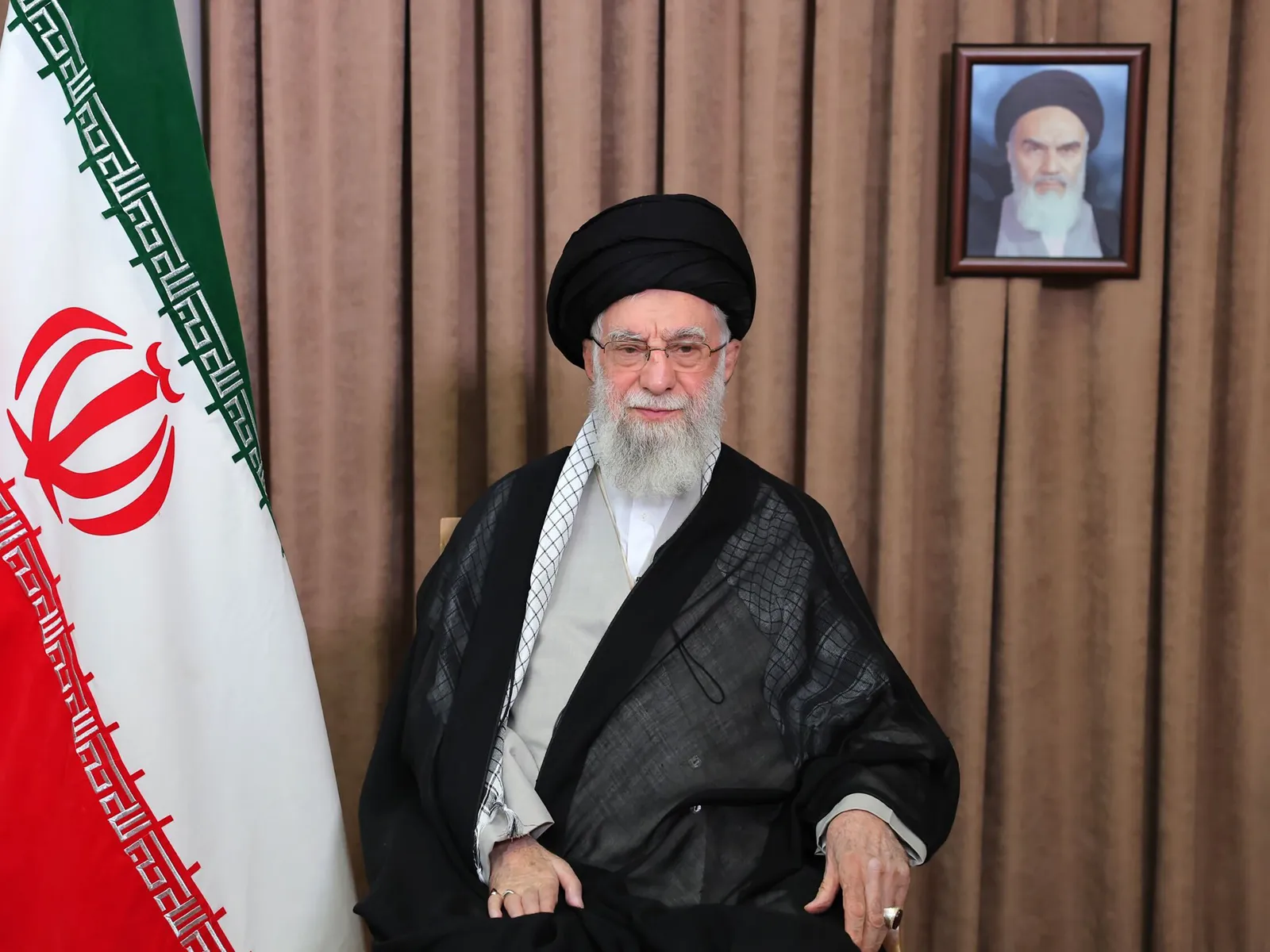
Iran’s Supreme Leader Ayatollah Ali Khamenei has squarely placed the blame for weeks of deadly unrest on former U.S. President Donald Trump, as rights organizations report that the nationwide protests have claimed more than 3,000 lives. Speaking on Saturday, Khamenei described Trump as directly responsible for the violence, accusing him of fueling instability and spreading what he called “slander” against the Iranian people.
According to Iran’s state media, Khamenei said the U.S. president should be held accountable for the casualties and destruction that occurred during the demonstrations. His remarks come amid growing international scrutiny of Iran’s handling of what officials describe as the most serious unrest the country has seen in years.
Protests Sparked by Economic Grievances
The protests first erupted on December 28, triggered by widespread frustration over economic hardship. What began as localized demonstrations soon expanded into broader calls for an end to clerical rule, spreading rapidly across major cities and provinces.
During this period, Trump repeatedly warned Tehran against executing protesters and threatened “very strong action” if such measures were carried out. However, in a later social media post, he thanked Iranian authorities, claiming they had halted mass executions—an assertion Iran firmly denied, stating there was never any plan for hangings.
Responding indirectly to Trump’s comments, Khamenei emphasized that while Iran would avoid being dragged into war, it would not allow what he termed “domestic or international criminals” to escape punishment.
Iran’s Worst Unrest in Years
Khamenei acknowledged that “several thousand deaths” had occurred during the unrest, describing it as the most severe wave of protests Iran has experienced in recent years. He alleged that Iran’s long-standing adversaries, particularly the United States and Israel, were behind the violence, accusing them of orchestrating chaos, destroying public property, and inciting bloodshed.
U.S.-based Human Rights Activists News Agency (HRANA) reported it had verified at least 3,090 deaths, including nearly 2,900 protesters, along with more than 22,000 arrests. Iranian authorities have disputed external figures but confirmed large-scale detentions.

Last week, Iran’s prosecutor general warned that detainees could face harsh punishment. Officials said those arrested included individuals accused of assisting rioters, attacking security forces, and spreading fear. Many were labeled mohareb—a term under Islamic law meaning “waging war against God,” which carries the death penalty.
Internet Blackouts and Gradual Restoration
Independent verification of casualty figures has been difficult due to widespread internet shutdowns imposed during the crackdown. However, connectivity began to return gradually on Saturday. Semi-official media outlets reported that internet and SMS services were partially restored in some areas.
NetBlocks, an internet monitoring group, noted a slight rise in connectivity after nearly 200 hours of disruption, though access remained far below normal levels. Residents in hard-hit areas such as Karaj, west of Tehran, reported that internet service resumed in the early hours of Saturday, marking a noticeable easing of restrictions.
Arrests and Alleged Foreign Links
State media have also announced the arrest of thousands of people described as “rioters and terrorists,” including alleged ringleaders accused of coordinating unrest from abroad. Among those named was a woman identified as Nazanin Baradaran, whom authorities claim operated under a pseudonym and helped organize protests on behalf of opposition figures outside Iran. These reports could not be independently verified.
Iranian officials have further alleged foreign involvement, pointing to opposition leader Reza Pahlavi, the exiled son of Iran’s last shah. Pahlavi has positioned himself as a potential leader in the event of regime change and has stated he would seek improved relations with Israel if given power. Israeli officials have publicly expressed support for him, and one Israeli minister recently claimed that Israel maintains operatives inside Iran, though he denied efforts to directly overthrow the government.
As tensions remain high, Iran’s leadership continues to frame the unrest as a foreign-backed conspiracy, while international observers warn of the heavy human cost and escalating crackdown following one of the country’s darkest periods in recent history.