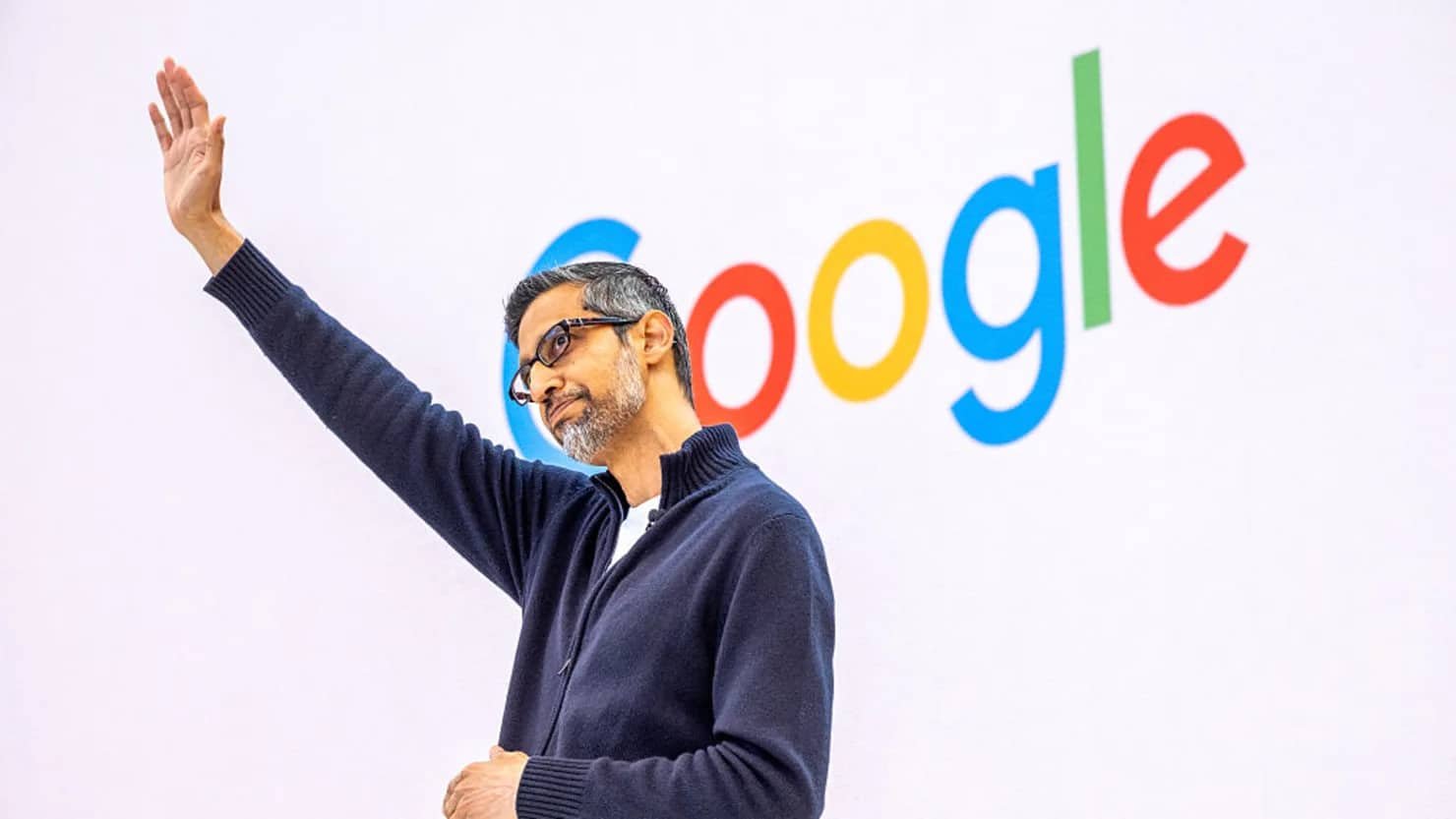
At the start of 2025, Alphabet’s stock was under a cloud of doubt. Investors were openly questioning whether Google still had what it takes to compete with OpenAI, the company behind ChatGPT, in an AI race that was accelerating by the month. Fast forward to the end of the year, and those doubts had largely faded—Alphabet shares posted their strongest performance since 2009.
Much of that turnaround can be traced back to DeepMind, the British AI research lab Google acquired in 2014 for roughly £400 million. Once known primarily for its scientific breakthroughs, DeepMind has now emerged as the heartbeat of Google’s commercial AI strategy.
In a candid conversation on CNBC’s new podcast The Tech Download, DeepMind founder and CEO Demis Hassabis described the lab as “the engine room” powering Google’s AI push. Structural changes, he said, have allowed Google to move faster, ship products sooner, and respond more aggressively in what he called a “ferocious competitive environment.”
A key signal of that urgency: The DeepMind CEO speaks with the Google CEO daily as the lab intensifies its competition with OpenAI. Hassabis revealed that he and Google CEO Sundar Pichai are in constant communication, aligning strategy and making rapid adjustments as the AI landscape evolves.
“All the core AI technologies are built here,” Hassabis explained, referring to DeepMind, “and then they’re diffused across Google’s entire ecosystem—from search to assistants to enterprise tools.” Over the past few years, he said, the focus hasn’t just been on developing models, but on rebuilding Google’s infrastructure so new AI capabilities can be deployed at speed.
From Catch-Up to Confidence
Google’s sense of urgency wasn’t always this sharp. When OpenAI released ChatGPT in late 2022, Google found itself on the back foot. A series of product stumbles—particularly through 2024—reinforced the narrative that the company was struggling to keep pace.
According to Hassabis, the problem was never a lack of innovation. After all, Google researchers pioneered transformers, the foundational architecture behind modern large language models. The real issue, he admitted, was that Google had been slower to commercialize and scale its breakthroughs.
“That’s what OpenAI and others did extremely well,” he said.
The response inside Google was a cultural reset. The merger of Google Brain and DeepMind in 2023, combined with leadership changes such as appointing Josh Woodward to oversee Gemini, marked a turning point. The company leaned back into a startup mindset—moving faster, taking more risks, and shipping products sooner.
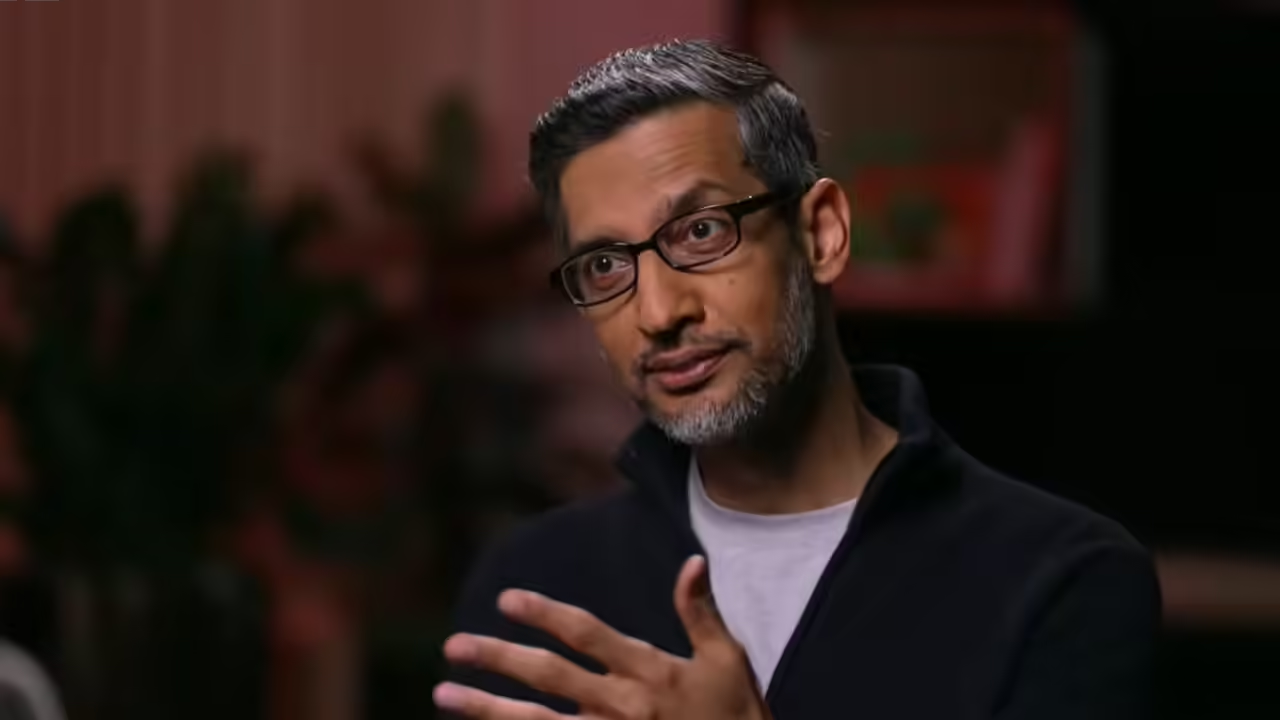
That shift paid off. Hassabis said Google “found its groove” with the launch of Gemini 2.5 in March 2025. Later in the year, Gemini 3 followed, earning praise from tech leaders and users alike for its speed and performance.
Crucially, the Gemini models developed at DeepMind can now be rolled out rapidly across Google’s product lineup. “That process has become really smooth over the last year,” Hassabis noted, adding that users will see even more rapid integration over the next 12 months.
Daily Decisions, Long-Term Ambitions
Hassabis emphasized that his near-daily conversations with Pichai aren’t just check-ins—they actively shape Google’s roadmap. Plans and priorities can shift in real time, even as the company keeps its eyes on a much bigger prize: artificial general intelligence (AGI), or AI with human-level capabilities.
The goal, Hassabis said, is to reach AGI “first, fast, and safely,” balancing speed with responsibility in a high-stakes race.
Is the AI Boom a Bubble?
With tech giants pouring hundreds of billions into AI infrastructure and startups raising money at eye-watering valuations, questions about an AI bubble are growing louder. Hassabis offered a nuanced take.
Some areas, he said, may indeed be overheated—particularly early-stage startups valued in the tens of billions without meaningful products. Those conditions, he warned, are unlikely to last.
Still, he remains convinced that AI itself is no passing trend. Comparing the current moment to the dot-com era, Hassabis argued that while excess and corrections are inevitable, truly transformative technologies endure.
“The internet changed everything, despite the bubble,” he said. “AI will be even more transformative.”
From his perspective, Google is well positioned regardless of how the market swings. With a strong core business and AI deeply embedded across its products, the company believes it can weather volatility and emerge stronger on the other side.
As competition with OpenAI and other rivals intensifies, one thing is clear: DeepMind is no longer just a research lab—it’s the driving force behind Google’s renewed confidence in the AI era.