

The iconic social news platform Digg is officially stepping back into the spotlight. Once a major name of the early internet and a direct rival to Reddit, Digg is now entering a new chapter with a public open beta launch. Back under the leadership of its original founder Kevin Rose, alongside Reddit co-founder Alexis Ohanian, the platform is aiming to reintroduce itself to a new generation of users. In a move that has caught widespread attention, Digg unveils its new Reddit competitor to the public, signaling its intent to reclaim relevance in today’s social media ecosystem.
A Familiar Experience With a Modern Twist
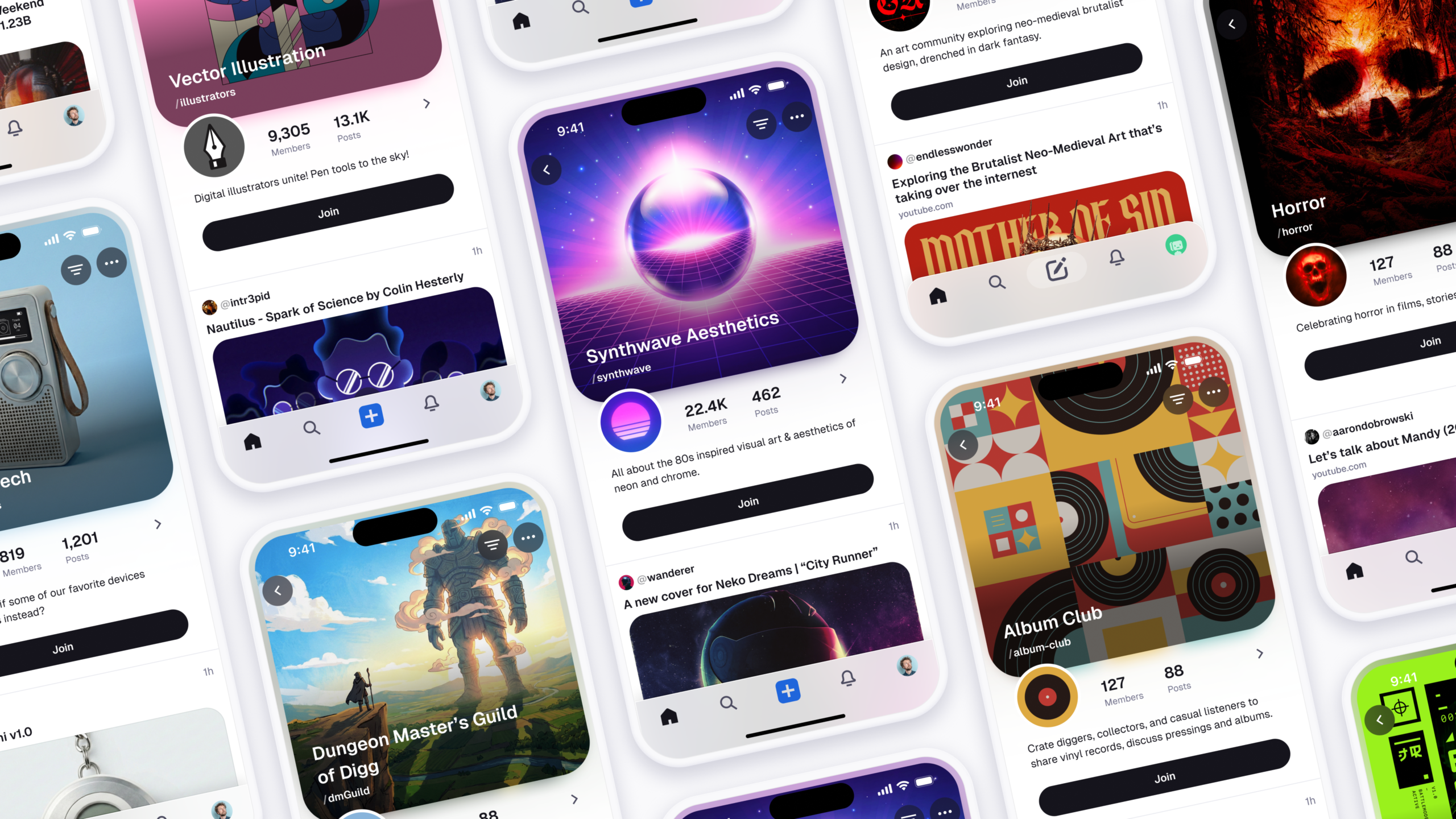
The revamped Digg closely mirrors the core experience users expect from community-driven platforms. Available as both a website and mobile app, it allows users to explore topic-based communities, scroll through curated feeds, and engage by posting, commenting, and upvoting content—still called “diggs.” Users can also create or join communities that match their personal interests, whether broad or highly niche.
From Web 2.0 Giant to Reinvention Mode
Digg’s journey has been anything but simple. Originally launched as a Web 2.0-era news aggregation site, it reached a peak valuation of $175 million in 2008. However, Reddit eventually surpassed it in popularity and scale. By 2012, Digg was broken apart, with Betaworks acquiring the main assets and other pieces going to LinkedIn and The Washington Post. After additional investment in 2016, the platform was sold again in 2018 to a digital advertising company.
While Digg struggled to find its footing, Reddit flourished—eventually going public and unlocking new revenue streams, including content licensing deals with major AI companies like Google and OpenAI.
Why AI Is Central to Digg’s Revival
Rose and Ohanian believe that the current rise of artificial intelligence presents a unique opportunity to rebuild Digg from the ground up. They reacquired the platform last March through a leveraged buyout involving True Ventures, Seven Seven Six, S32, and their own participation. Although funding details remain undisclosed, the vision is clear: use AI to reduce toxicity, improve trust, and protect communities from bot-driven manipulation.
Rather than forcing strict identity verification systems, Digg plans to rely on subtle “signals of trust.” According to Rose, the idea is to collect multiple indicators over time that together help establish credibility without compromising user privacy.
Building Trust Without Heavy-Handed Verification
Instead of simple verification badges, Digg is experimenting with advanced approaches like zero-knowledge proofs—cryptographic methods that confirm facts without exposing personal data. Communities may also require proof of relevance; for example, a product-based group could verify that members actually own or use the product being discussed. Rose even suggested that mobile-based signals, such as attending the same real-world meetup, could help strengthen trust among users.
There’s no single solution, Rose admits, but rather a combination of tools designed to work together to create healthier online spaces.
Open Communities and Transparent Moderation
Before the public beta, Digg operated with 21 general-interest communities and about 67,000 invite-only users. Now, the platform is fully open. Anyone can join, create new communities on nearly any topic, and help shape discussions. Moderators—referred to as community managers—will have the freedom to set their own rules, and importantly, their moderation logs will be publicly visible to promote transparency.
A Cleaner Design and More Features on the Way
The platform has also undergone a visual refresh. A new sidebar lets users pin favorite communities, while the main feed emphasizes visual content. At launch, each community will have a single manager, but Digg plans to expand this and introduce customization features, third-party integrations, and enhanced tools. For example, a film community could eventually display movie ratings pulled directly from Letterboxd.
Digg CEO Justin Mezzell describes the approach as building fast and iterating constantly, with new updates rolling out almost every week.
Supporting the People Who Run the Communities
Learning from Reddit’s reliance on volunteer moderators, Digg wants to create a more balanced and rewarding experience for community managers. While the exact model is still being developed, the company has already brought on experienced Reddit moderators as advisers and plans to co-design solutions based on real feedback.
What’s Next for Digg?
The team is also considering changes beyond text-based discussions, including converting its AI-generated podcast into a human-hosted format due to user demand. With a small but focused team and what Rose describes as “years of runway,” Digg is prioritizing long-term product-market fit over rapid monetization.
With the foundational work complete, the company believes the fun—and the real experimentation—is just beginning. As Digg unveils its new Reddit competitor to the public, the internet will soon find out whether this reboot can successfully blend nostalgia, innovation, and community trust into a platform built for the modern web.

