A federal judge has cleared the way for a third offshore wind project to restart construction, even as the industry continues to push back against challenges from Trump.
That decision, issued Friday in Virginia, allows work to resume on a major offshore wind development after the court granted a preliminary injunction against the federal government’s recent construction pause.
Judge Allows Virginia Project to Move Forward
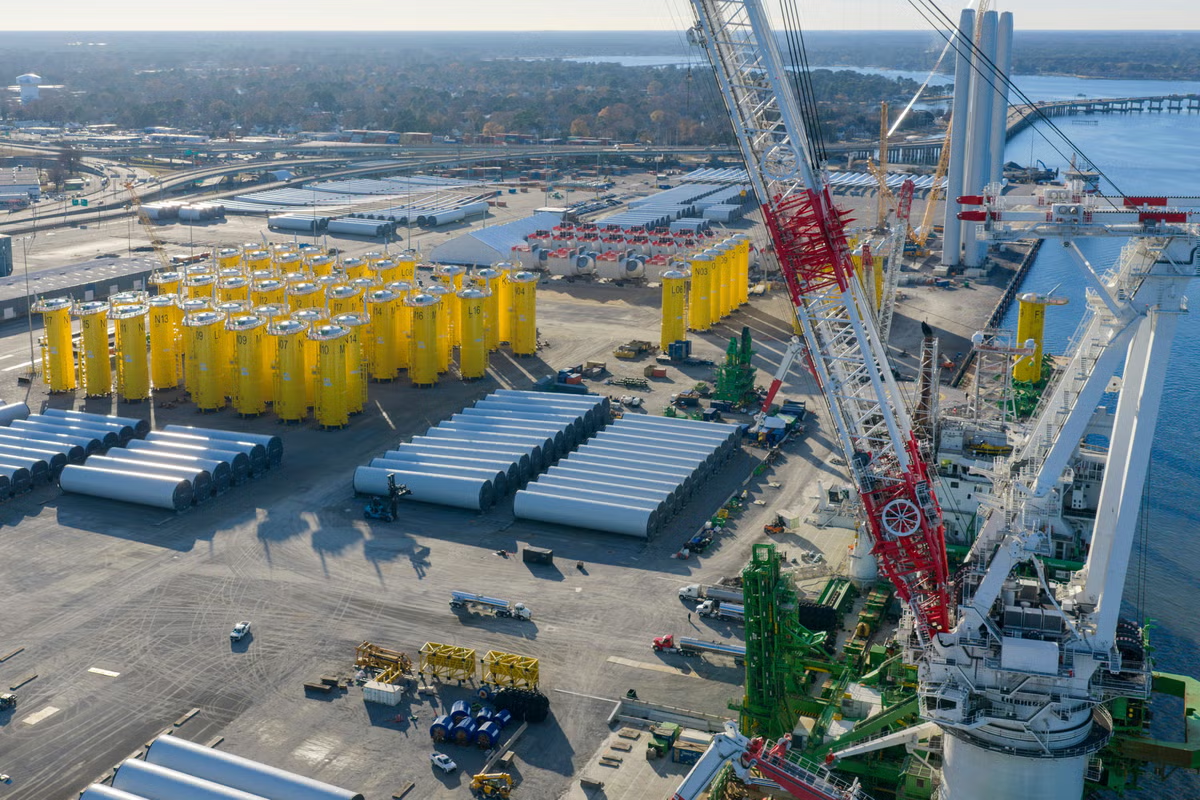
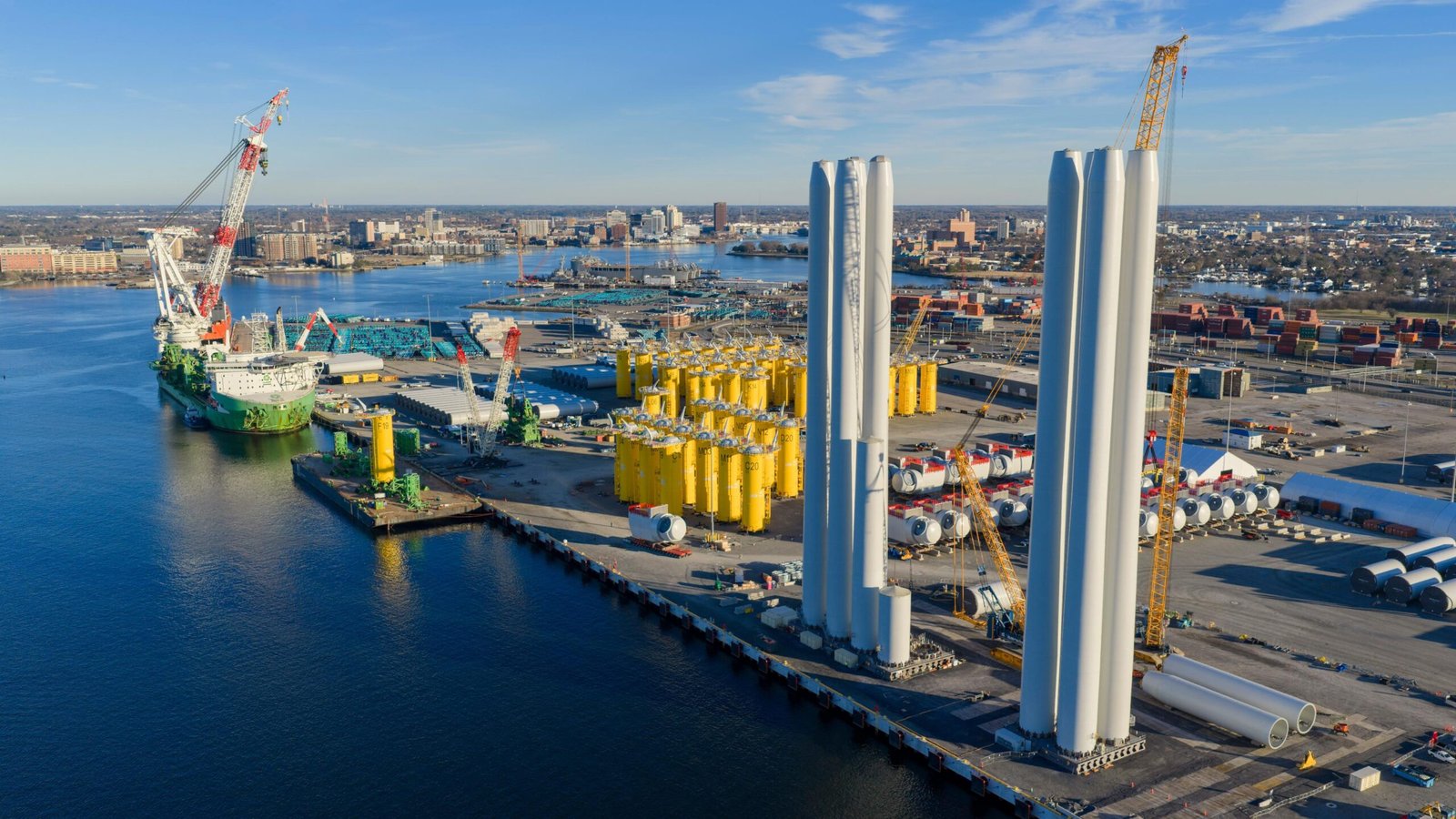
The ruling centers on the Coastal Virginia Offshore Wind project, being developed by Dominion Energy. A federal judge agreed with the Richmond-based utility that construction should be allowed to continue while its lawsuit against the federal government proceeds. The injunction temporarily blocks an order that had halted work on multiple offshore wind projects along the East Coast.
Last month, the administration announced a 90-day suspension of leases for five offshore wind projects, citing unspecified national security concerns. Developers and state officials quickly challenged the move in court, arguing that the sudden pause threatened billions of dollars in investment and thousands of jobs.
Courts Reject Claims of Immediate Security Threat
Virginia’s ruling follows similar decisions earlier this week in Washington, D.C., where judges cleared two other offshore wind projects to resume construction. Those include New York’s Empire Wind project, led by Norway-based Equinor, and the Revolution Wind project serving Rhode Island and Connecticut, developed by Danish renewable energy firm Orsted.
Legal experts say the courts reached a common conclusion: the federal government failed to show that the alleged national security risks were so urgent that construction needed to stop immediately.
“The judges essentially found that the administration did not provide enough evidence of an imminent threat,” said Carl Tobias, a law professor at the University of Richmond. “They determined that halting these costly but critical projects would cause serious harm to the companies and states involved.”
Trump Administration Maintains Opposition
Donald Trump has been openly critical of offshore wind since returning to the White House. The administration has characterized wind energy as unreliable and harmful, with a White House spokesperson describing it as “the scam of the century.” Officials insist the temporary pause is necessary to protect national security and say they expect to prevail in court.
Despite that stance, the string of unfavorable rulings has given new momentum to an industry that sees offshore wind as essential to meeting rising energy demand, particularly in densely populated coastal states.
Labor and States Welcome the Decision
The court victories have been welcomed by labor unions and state leaders alike. Sean McGarvey, president of North America’s Building Trades Unions, praised the rulings for allowing skilled workers to return to job sites.
“With energy demand surging and prices climbing, shutting down power generation makes no sense,” McGarvey said, noting that union labor is involved in every offshore wind project currently under construction in the United States.
Virginia lawmakers echoed that sentiment. U.S. Senators Mark Warner and Tim Kaine, along with Representatives Bobby Scott and Jennifer McClellan, said the ruling protects residents from higher energy costs that could result from delaying clean energy projects.
Offshore Wind’s Role in the Energy Transition
Large-scale offshore wind farms are a cornerstone of renewable energy plans across the East Coast, where limited land makes it difficult to expand onshore wind or solar power. Beyond Coastal Virginia Offshore Wind, additional projects remain in legal limbo, including Sunrise Wind in New York and Vineyard Wind in Massachusetts. Vineyard Wind LLC—a joint venture between Avangrid and Copenhagen Infrastructure Partners—recently joined the legal challenge in federal court.
Construction on Coastal Virginia Offshore Wind began in early 2024. Once completed, the project will feature 176 turbines located roughly 27 miles off the coast near Virginia Beach, generating enough electricity to power about 660,000 homes. Dominion Energy says the project is critical to meeting rapidly growing electricity demand driven by the expansion of data centers across the region.
For now, the judge’s order allows work to restart, marking another setback for the administration’s efforts to slow offshore wind development—and a significant win for an industry determined to keep building despite political headwinds.