Brazilian President Luiz Inácio Lula da Silva has publicly celebrated the long-awaited free trade agreement between the European Union and Mercosur, even as he chose not to attend the formal signing ceremony in Paraguay. The development underscores how Brazil’s Lula Praises Landmark EU–Mercosur Agreement Despite Skipping the Signing Ceremony, highlighting both his strong backing of the pact and the political nuances surrounding its finalization.
A Historic Trade Deal Years in the Making
After more than two decades of negotiations, the EU and Mercosur are set to formally seal what will become one of the world’s largest free trade agreements. Mercosur brings together South America’s major economies—Brazil and Argentina—along with Paraguay and Uruguay. Bolivia, the bloc’s newest member, did not take part in the negotiations but is expected to join the agreement in the future.
The accord is expected to create a vast trade zone linking roughly 720 million people and generating a combined gross domestic product exceeding $22 trillion. Leaders on both sides describe the deal as a milestone that reshapes global trade relations at a time of shifting geopolitical alliances.
Lula’s Absence Raises Eyebrows
Despite being one of the agreement’s most vocal champions, Lula will not attend the signing ceremony in Asuncion. Instead, Brazil will be represented by Foreign Minister Mauro Vieira. Local media report that Argentine President Javier Milei and Uruguay’s Yamandú Orsi will be present alongside Paraguay’s host president, Santiago Peña.
Lula’s decision surprised observers, particularly given his energetic lobbying for the deal since returning to office in 2023 for a third, nonconsecutive term. Analysts suggest his absence may reflect frustration that the agreement was not finalized in December, when Brazil held Mercosur’s rotating presidency.
“More Than 25 Years of Struggle”
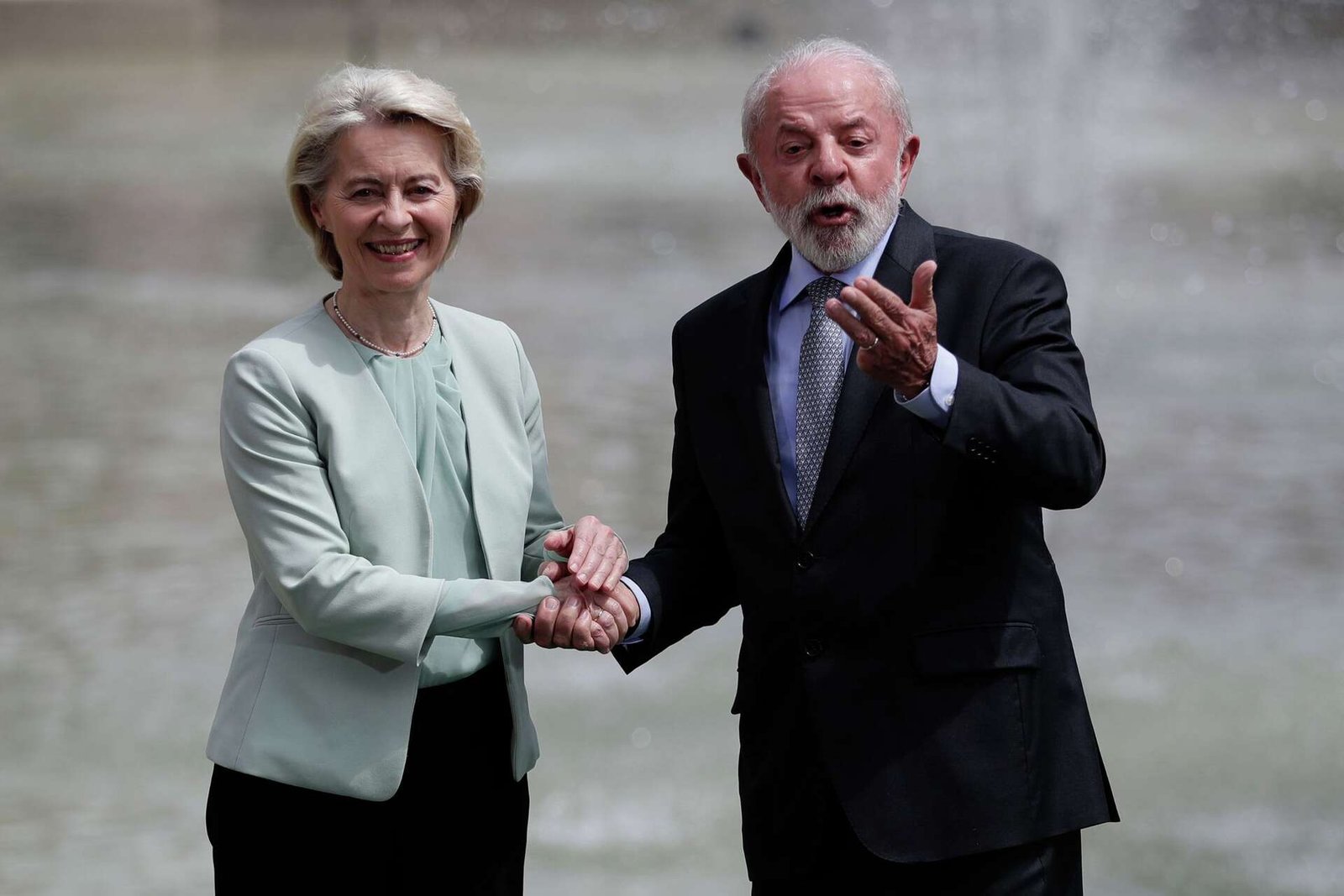
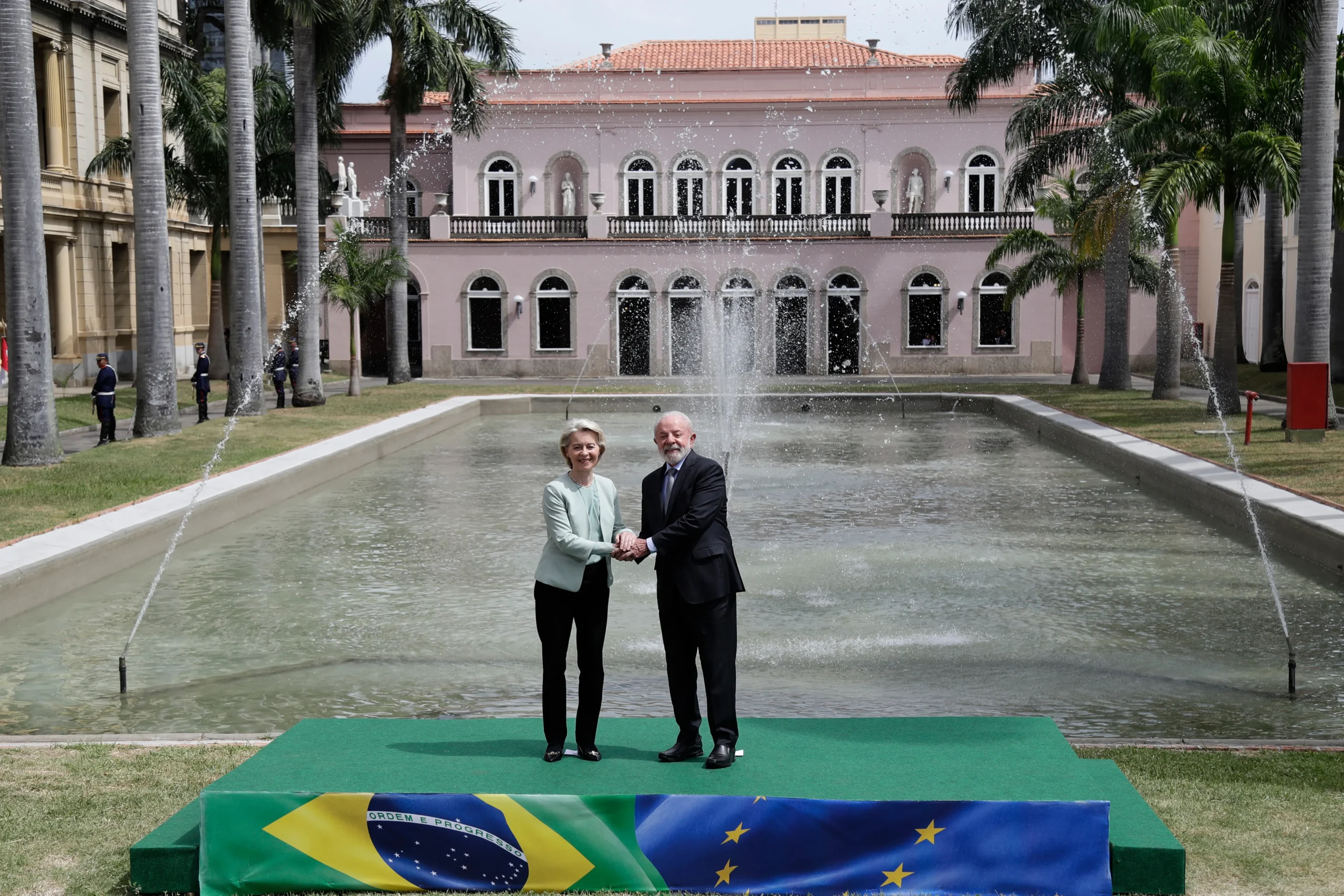
Speaking in Rio de Janeiro alongside European Commission President Ursula von der Leyen, Lula emphasized the extraordinary length of the negotiations. He described the process as “more than 25 years of suffering and attempts” to reach consensus, underscoring how difficult it was to bridge differences between the two blocs.
Still, the Brazilian leader hailed the agreement as historic. He said the signing would mark the creation of one of the largest free trade areas on the planet, calling it a moment that would be remembered for generations.
European Leaders Applaud Brazil’s Role
Von der Leyen credited Lula’s personal commitment and political leadership for pushing the deal across the finish line. European officials also acknowledged that Brazil’s most recent leadership of Mercosur was instrumental in overcoming lingering obstacles and setting the stage for the final agreement.
The European Council echoed that sentiment ahead of von der Leyen’s South American trip with its president, António Costa, noting that Brazil’s efforts were decisive in advancing talks.
A Strategic Signal in a Shifting World Order
The timing of the agreement carries added significance as the United States, under President Donald Trump, retreats from parts of the global economic system. European leaders framed the EU–Mercosur pact as proof that cooperation and openness can still deliver shared prosperity.
Von der Leyen described the deal as a demonstration that international trade does not have to be a zero-sum game, but rather a partnership that benefits entire regions across continents.
Economic Gains—and Bigger Ambitions
For South America, the agreement opens broader access to Europe’s vast consumer market, particularly for agricultural exports such as coffee, poultry, and orange juice. Brazil’s investment promotion agency estimates that these exports alone could generate around $7 billion in new revenue in the coming years.
However, Lula cautioned that Mercosur does not intend to remain locked into the role of a raw commodity supplier. He stressed Brazil’s ambition to expand industrial production and export higher value-added goods, signaling a push for more balanced and diversified trade.
A Subtle Message from Lula
According to international relations expert Flavia Loss, Lula’s absence from the ceremony may be a quiet statement rather than a snub. She suggested it reflects Brazil’s desire to engage Europe as an equal partner, without bending its own priorities for symbolism alone.
In that sense, Brazil’s Lula Praises Landmark EU–Mercosur Agreement Despite Skipping the Signing Ceremony captures the moment perfectly: enthusiastic support for a transformative deal, paired with a clear reminder that Brazil and Mercosur expect respect, balance, and long-term mutual benefit in their relationship with Europe.