

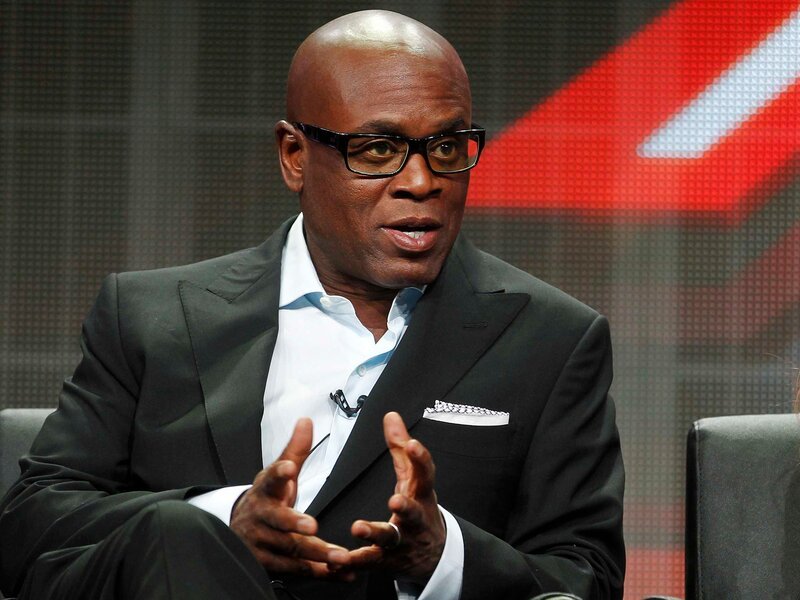
Music industry veteran L.A. Reid has avoided a courtroom showdown after agreeing to a settlement in a sexual assault and harassment lawsuit that was set to go to trial. L.A. Reid has reached a settlement in the sexual assault lawsuit just as the case was about to go to trial. The agreement brings an abrupt end to a legal battle that has drawn intense attention across the entertainment world.
The lawsuit, filed in 2023 by former music executive Drew Dixon, was officially dismissed on January 12. U.S. District Judge Jeannette A. Vargas signed an order dismissing the case with prejudice, meaning it cannot be refiled. Earlier that same day, attorneys for both parties submitted a joint request to voluntarily dismiss the action, just hours before jury selection was expected to begin.
A Case Closed Without Public Trial
While the settlement resolves the lawsuit, the specific terms of the agreement remain confidential. Reid’s attorney, Imran H. Ansari, confirmed that the matter was settled amicably and emphasized that the resolution included no admission of wrongdoing.
The timing of the settlement was striking. The trial had been scheduled to start the morning of January 12, setting the stage for what could have been a highly publicized proceeding involving some of the most powerful figures in the music business.
Drew Dixon’s Legal Fight and Industry Impact
Dixon’s legal team framed the outcome as a moment of empowerment rather than retreat. Her attorney, Kenya Davis of Boies Schiller Flexner LLP, described Dixon as an exceptionally talented executive whose reputation and voice remain intact. According to Davis, the settlement allows Dixon to move forward creatively and professionally on her own terms, free from the shadow of prolonged litigation.
Davis also highlighted Dixon’s broader role as an advocate for survivors of sexual abuse, noting that her willingness to speak out has helped challenge entrenched power dynamics within the music industry. She credited Dixon with opening doors for others to seek accountability and justice.
In closing, Davis expressed gratitude to those who prepared to support Dixon at trial, including industry figures such as John Legend and other potential witnesses.
Allegations at the Center of the Lawsuit
In her complaint, Dixon alleged that Reid sexually assaulted her on two occasions in 2001, when he served as CEO of Arista Records and she held the position of vice president of A&R. She further claimed that after she rejected his advances, Reid retaliated professionally—undermining artists she had already signed and obstructing deals she attempted to secure.
Dixon has also previously accused Russell Simmons of rape during her time working at Def Jam Records, allegations that have likewise contributed to broader conversations about accountability in the industry.
A Career Defined by Music and Advocacy
Beyond the courtroom, Dixon’s legacy includes major contributions to popular music. She holds credits on My Love Is Your Love by Whitney Houston, as well as 1995’s The Show: The Soundtrack. In a statement shared after the settlement, Dixon reflected on music as her lifelong source of joy and inspiration, describing her instinct for discovering unique and eclectic artists.
While much of her recent work has focused on advocacy for survivors, Dixon made clear that she has not stepped away from the music business. She hinted at ambitious future projects rooted in creativity and integrity, signaling that her next chapter is still being written.
The Broader Legal Context
Dixon’s lawsuit was made possible by New York City’s Adult Survivors Act, which opened a one-year window between 2022 and 2023 allowing survivors of sexual abuse to file civil claims that would otherwise be barred by statutes of limitations. The law led to a wave of high-profile cases across entertainment, media, and business sectors.
Reid’s Industry Legacy and Past Controversies
Reid remains one of the most influential figures in modern music history, having helped elevate artists such as Usher, Mariah Carey, and OutKast to global superstardom. He stepped down as chairman of Epic Records in May 2017, shortly before reports surfaced that an employee had accused him of harassment.
With the settlement now finalized, the lawsuit will not proceed to trial. Still, the case leaves a lasting mark—underscoring the shifting balance of power in the music industry and the growing willingness of survivors to come forward, even decades after the alleged events occurred.

