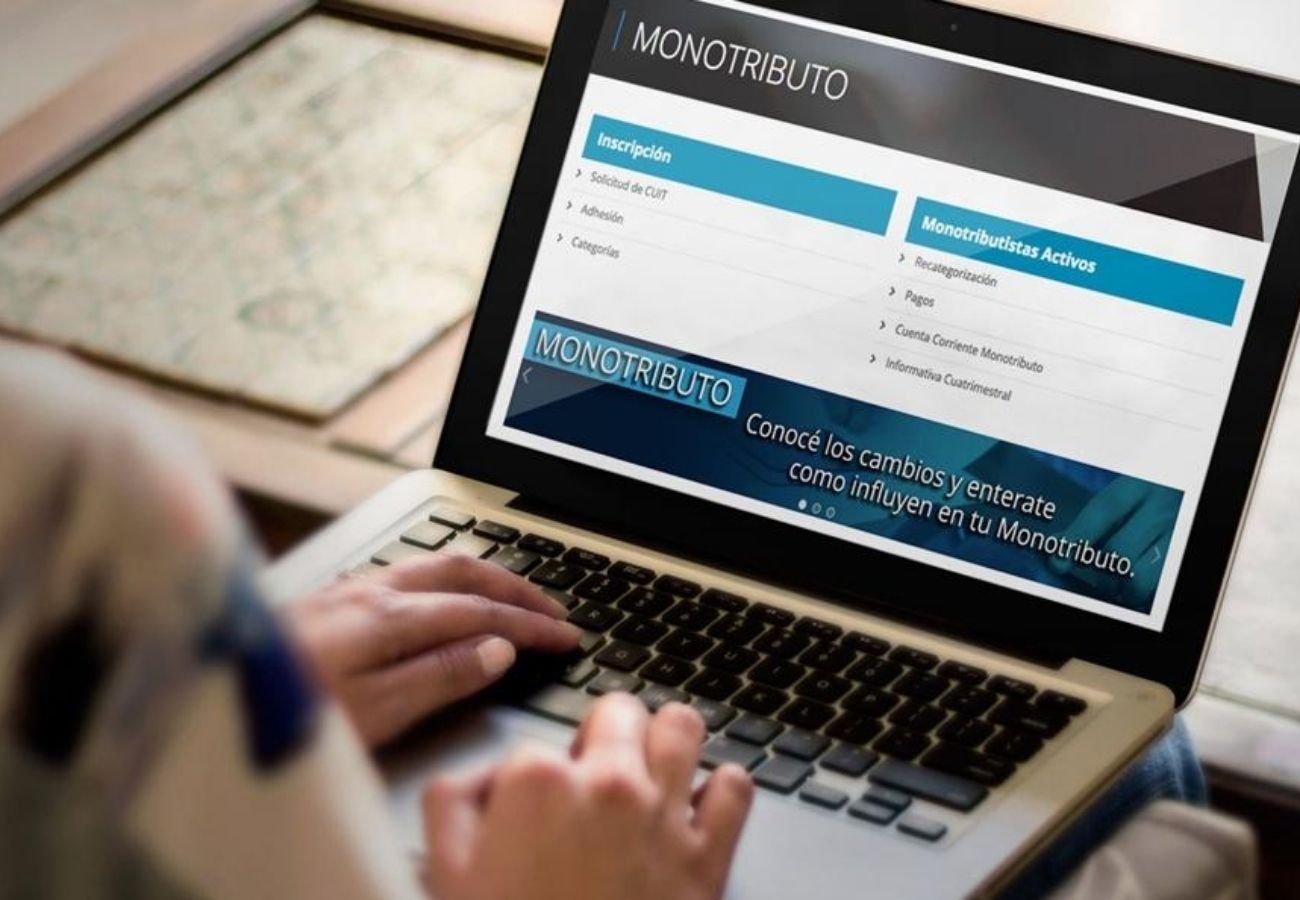
For freelancers, self-employed professionals, and small business owners in Argentina, navigating the tax system can feel overwhelming. To address this challenge, the government introduced monotributo, a simplified tax regime designed to make compliance easier and more affordable. Over the years, monotributo has become one of the most widely used tax systems in the country, especially among independent workers and micro-entrepreneurs.
This article explains what monotributo is, who it is for, how it works, and why it plays such a crucial role in Argentina’s economy.
What Is Monotributo?
Monotributo is a simplified tax system in Argentina that combines several tax obligations into a single monthly payment. Instead of paying income tax, value-added tax (VAT), and social security contributions separately, eligible taxpayers make one fixed monthly payment based on their category.
The system is administered by AFIP, Argentina’s federal tax authority, and is aimed at reducing bureaucracy while encouraging informal workers to enter the formal economy.
Who Can Register for Monotributo?
Monotributo is designed for individuals and small businesses with relatively low annual income. It is especially popular among:
-
Freelancers and independent professionals
-
Small shop owners and service providers
-
Gig workers and digital creators
-
Sole proprietors with limited operating costs
To qualify, taxpayers must stay below specific income thresholds and meet certain conditions related to business activity, rental expenses, and energy consumption. Those who exceed the limits must transition to the general tax regime.
How the Monotributo System Works
The monotributo regime is divided into categories, typically labeled with letters. Each category corresponds to a maximum annual income level and a fixed monthly payment amount. The higher the category, the higher the monthly tax.
Each monthly payment under monotributo usually includes:
-
A simplified tax component (replacing income tax and VAT)
-
Social security contributions
-
Health insurance contributions
This structure allows taxpayers to know in advance exactly how much they owe each month, making budgeting far more predictable.
Key Benefits of Monotributo
One of the biggest advantages of monotributo is simplicity. Instead of dealing with complex tax calculations and multiple filings, taxpayers make a single payment and submit minimal paperwork.
Other key benefits include:
-
Lower tax burden compared to the general regime
-
Easy registration and online management through AFIP
-
Access to social security and healthcare
-
Legal invoicing, which increases credibility with clients
For many people starting a business in Argentina, monotributo is the first step toward operating legally.
Recategorization: A Crucial Responsibility
While monotributo is simple, it does require periodic review. Taxpayers must complete a process known as “recategorization,” usually twice a year. During this process, individuals assess their income and expenses from the previous period to confirm whether they remain in the same category or need to move to a higher or lower one.
Failure to recategorize correctly can result in fines, back taxes, or forced removal from the monotributo system, making compliance an important responsibility.
Limitations and Challenges of Monotributo
Despite its benefits, monotributo has limitations. Income caps can be restrictive, especially during periods of high inflation. Many businesses outgrow the system faster than expected and must shift to the general tax regime, which is significantly more complex and expensive.
Additionally, monotributo taxpayers often cannot deduct expenses in the same way as those in the general system. This can be a disadvantage for businesses with higher operational costs.
Monotributo and the Informal Economy
One of the main goals of monotributo is to reduce informality. By offering a low-cost and straightforward way to pay taxes, the system encourages workers who might otherwise remain off the books to register officially.
This not only benefits individuals—who gain access to healthcare and retirement contributions—but also strengthens public finances by broadening the tax base.
Why Monotributo Matters Today
In an economy marked by frequent changes, inflation, and evolving labor patterns, monotributo remains a vital tool. It supports entrepreneurship, simplifies compliance, and provides a bridge between informal work and the formal economy.
For freelancers and small business owners, monotributo offers predictability and legal security. For the government, it promotes inclusion and transparency. Despite ongoing debates about thresholds and adjustments, monotributo continues to be a cornerstone of Argentina’s tax framework.
Final Thoughts
Monotributo is more than just a tax category—it is a gateway to formal economic participation in Argentina. Its simplicity, accessibility, and integrated structure make it an ideal option for small-scale earners and independent workers. While it is not without challenges, monotributo remains one of the most practical and widely adopted tax solutions in the country today.