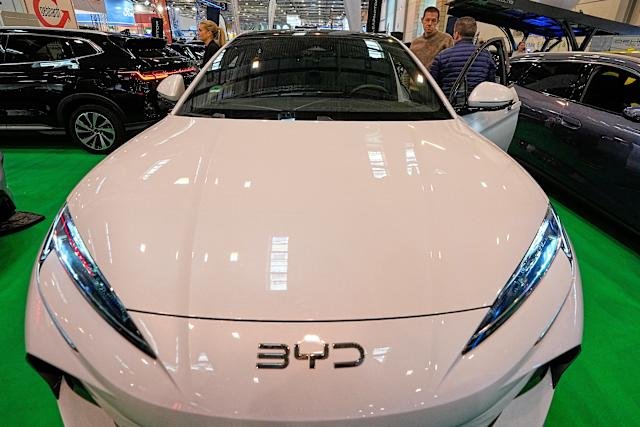
Chinese automakers have been expanding aggressively across global markets, driven by a growing lineup of electric vehicles that combine modern design, advanced technology, and affordable pricing. This expansion was already unsettling competitors, but concerns intensified after Canada recently agreed to ease tariffs on Chinese electric vehicles in return for concessions related to Canadian agricultural exports.
Industry analysts say this policy shift could give Chinese manufacturers a clearer gateway into North America at a time when demand inside China is softening. The implications are significant, particularly for U.S. and other Western automakers that are struggling to balance profitability with the high costs of electrification. As Chinese electric vehicles are steadily gaining a foothold in North America, raising concerns among industry experts., the competitive landscape is changing faster than many anticipated.
Political and Industry Warnings Grow Louder
U.S. officials have openly acknowledged the threat. Speaking at a Jeep assembly plant operated by Stellantis in Toledo, Ohio, Transportation Secretary Sean Duffy warned that China’s government heavily backs its auto sector to gain global control. He argued that such strategy puts American manufacturing jobs at risk and criticized Canada’s trade move, suggesting it could have long-term consequences.
Not everyone agrees with this alarmist tone. Some analysts believe the momentum behind Chinese automakers reflects broader consumer preferences rather than political maneuvering. Center for Strategic and International Studies expert Ilaria Mazzocco notes that Chinese brands are no longer limited to fringe markets; instead, they are becoming competitive in regions that matter most to U.S. carmakers.
What Sets Chinese Electric Vehicles Apart?
Experts point to a simple formula behind China’s success: quality, technology, and price. Chinese EVs often arrive with advanced connectivity features, integrated software systems, and sleek styling—yet they sell for a fraction of the cost of comparable Western models.
In many cases, these vehicles are priced between $10,000 and $20,000. By contrast, the average new car in the U.S. now approaches $50,000, with electric vehicles often costing even more. Chinese manufacturers have also refined production techniques that make vehicles lighter and more efficient, helping extend driving range without inflating costs.
Another advantage lies in market focus. While many Western automakers have abandoned smaller, lower-margin cars in favor of SUVs and pickup trucks, Chinese companies have doubled down on compact and mid-sized vehicles that remain popular with everyday consumers.
A Growing Threat to U.S. Automakers
The global auto industry is rapidly electrifying, and this transition favors manufacturers that already dominate battery supply chains and EV platforms. China recorded strong growth in plug-in hybrid and electric vehicle sales in 2025, while Europe also saw major gains. Meanwhile, U.S. growth in electrified vehicle sales remained sluggish.
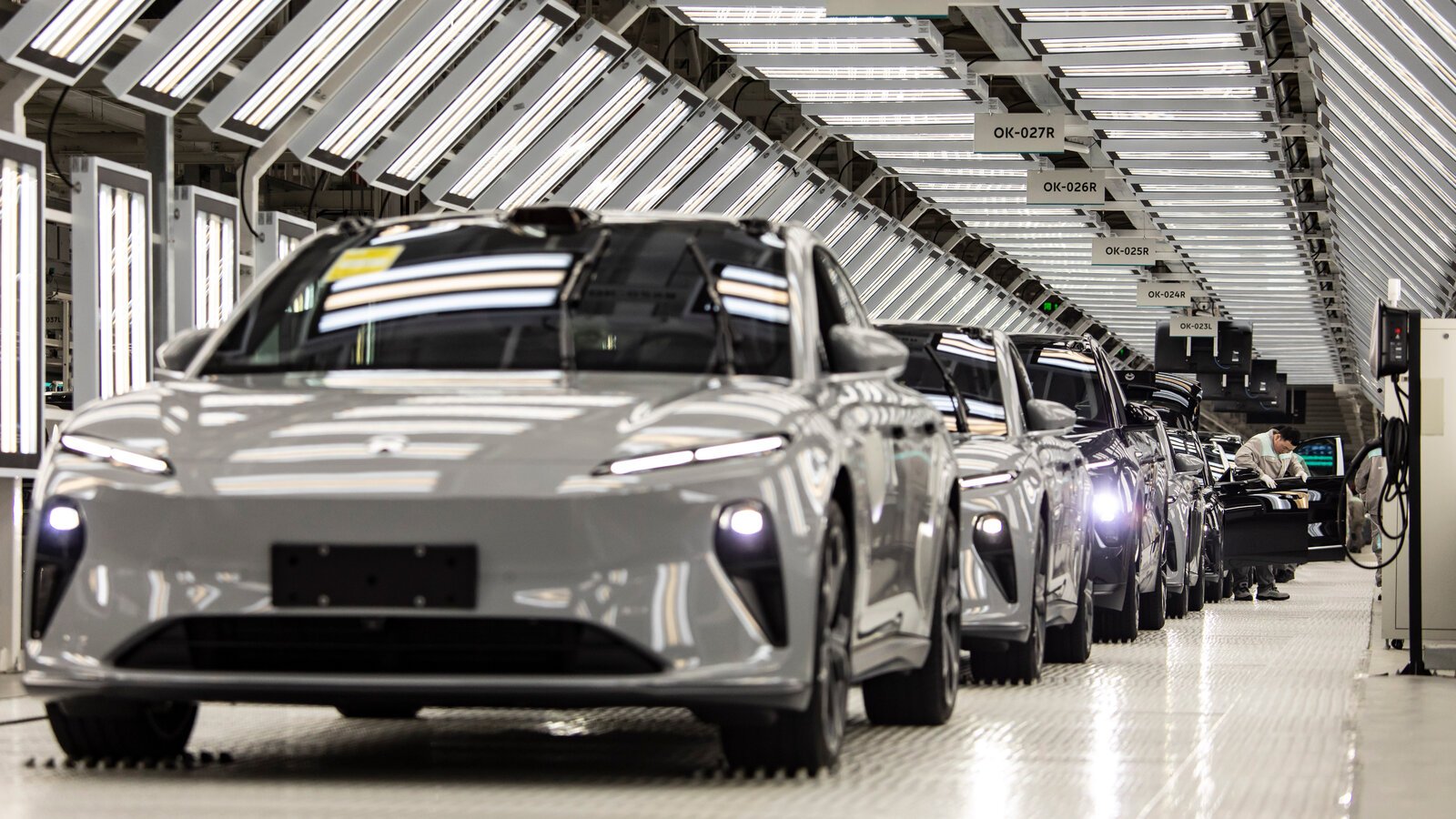
This gap has real consequences. Tesla, once the undisputed leader in electric vehicles, lost its global top spot last year to China’s BYD. Policy shifts under President Donald Trump, which rolled back EV-friendly regulations, have further fueled concerns that American automakers could fall behind technologically.
Regulation, Tariffs, and Global Pushback
Governments worldwide have attempted to slow China’s EV expansion through tariffs and regulations. Concerns range from market domination to data security, as modern vehicles collect and transmit vast amounts of information. The idea that state-backed Chinese firms could gain access to such data has unsettled policymakers.
The European Union raised tariffs on Chinese EVs last year, while former President Joe Biden imposed a 100% tariff in 2024. Canada mirrored that policy until its recent reversal, and Mexico has already welcomed Chinese EVs, experiencing rapid growth in imports.
An Inevitable Shift in the Auto World
Despite resistance, many experts believe Chinese automakers’ advance is unavoidable. They argue that Western countries are now focused on setting guardrails—defining acceptable data use, safety standards, and market share limits—rather than stopping Chinese brands outright.
Consultants predict Chinese manufacturers could command nearly a third of the global auto market by 2030. From Europe to South America and now deeper into North America, their expansion underscores a hard truth for legacy automakers: global competition is intensifying, and adapting quickly may be the only way to remain relevant in the next era of the auto industry.