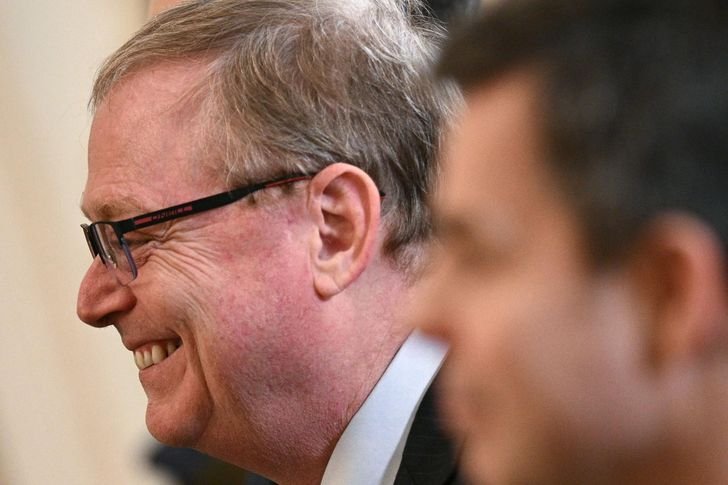
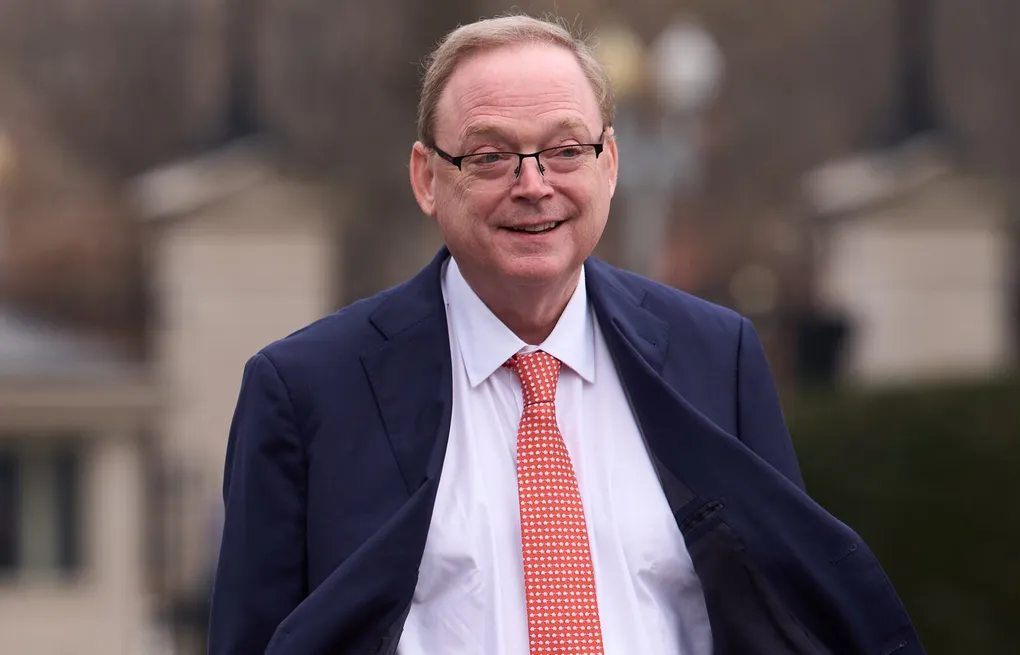
President Donald Trump has thrown a fresh twist into the already complex search for the next leader of the Federal Reserve. Speaking at a White House event on Friday, Trump suggested he would prefer to keep his top economic adviser, Kevin Hassett, in his current role rather than nominate him to replace Jerome Powell as Fed chair.
Spotting Hassett in the audience, Trump praised his recent media appearances and bluntly signaled his preference. The comment, while informal, carried weight given Hassett’s status as director of the National Economic Council and a long-time Trump ally. Until now, many observers viewed Hassett as the leading candidate to head the central bank.
A Sudden Shift in Expectations
Trump’s remarks disrupted weeks of speculation surrounding the White House’s extensive search for a new Fed chair—one of the most influential economic posts in the world. With Hassett seemingly less likely to move, attention has increasingly shifted to Kevin Warsh, a former Fed governor who has been on the shortlist for months.
Hassett’s close working relationship with Trump, dating back to the president’s first term, had made him a natural favorite. As recently as last month, Trump openly described Hassett as a “potential Fed chair.” Now, however, the president’s public preference to keep him at the White House has muddied those expectations.
Powell’s Exit and Lingering Tensions
Powell’s term as chair is set to expire on May 15. While unusual, he could remain on the Federal Reserve’s board as a governor afterward. Trump originally appointed Powell in 2018, but their relationship quickly deteriorated when the Fed raised interest rates later that year—a move Trump strongly opposed.
Recent developments have added more pressure to the succession process. The Justice Department issued subpoenas to the Federal Reserve last week, a move Powell publicly disclosed in an unusually direct video message. He suggested the action was retaliation for the Fed’s refusal to slash interest rates as aggressively as Trump wanted.
The subpoenas stem from Powell’s testimony before the Senate Banking Committee last June regarding a $2.5 billion renovation of Fed facilities.
Political Backlash and Senate Concerns
The criminal investigation—an unprecedented step involving a sitting Fed chair—triggered swift backlash on Capitol Hill. Several Republican senators dismissed the idea that Powell had committed any crime. At the same time, analysts say the episode has heightened concerns that the administration may be pressuring the Fed and threatening its independence from day-to-day politics.
Those concerns could indirectly affect Hassett’s prospects. According to Krishna Guha of Evercore ISI, Hassett’s close ties to Trump may make Senate confirmation more difficult amid fears of political influence. Guha argued that Warsh, by contrast, enjoys broader trust among Senate Republicans and would likely face a smoother confirmation process.
Markets React to Warsh’s Rising Odds
Warsh’s growing prominence has not gone unnoticed by financial markets. Known as a policy “hawk,” he has traditionally favored higher interest rates to keep inflation in check—an approach that contrasts with Hassett’s more growth-oriented reputation.
On Friday, the yield on the 10-year Treasury note climbed to just over 4.2%, up from about 4.17% the previous day. Analysts interpreted the move as a sign that investors believe Warsh’s chances have improved, reducing expectations for future rate cuts.
An Uncertain Path Forward
Trump’s off-the-cuff praise for Hassett may have been meant as a compliment, but it has had far-reaching consequences. By signaling a desire to keep his trusted adviser at the White House, the president has complicated an already sensitive decision—one that will shape U.S. monetary policy, market confidence, and perceptions of the Federal Reserve’s independence for years to come.