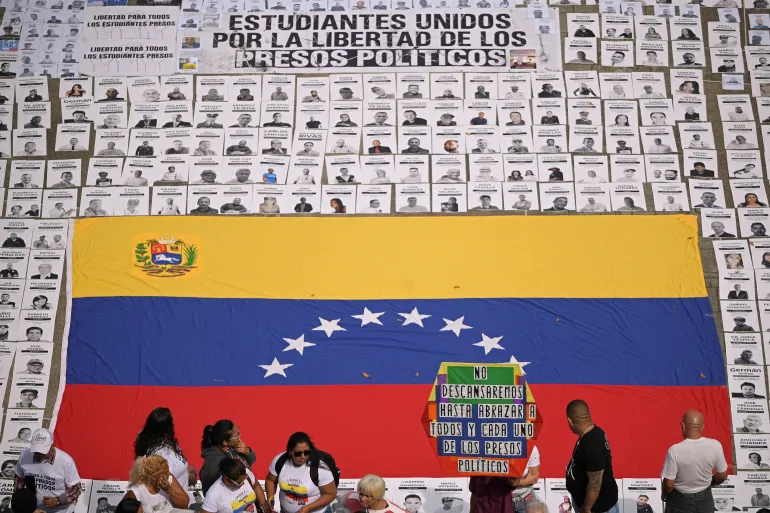
Venezuela’s government has announced that more than 400 inmates were released from prisons in a move described as part of a broader peace initiative, but the true number and nature of the releases remain highly disputed.
Government Claims vs. Independent Estimates
On Tuesday, Jan. 13, Jorge Rodríguez, president of Venezuela’s National Assembly, stated that Venezuela reports the release of over 400 inmates as part of an ongoing process intended to foster peaceful coexistence. He described those freed as individuals who had “broken the law,” including politicians, and denied they were political prisoners — a point the government has repeatedly stressed.
However, rights groups and independent observers paint a very different picture. Local nongovernmental organizations say the figure of releases since last Thursday is much lower, estimating only around 60 to 70 individuals have actually been freed so far. Some sources cite even smaller confirmed counts, and point to slow procedures and a lack of transparent information from authorities.
Dispute Over Who Was Freed
While the Venezuelan government insists that the majority of those released were not political prisoners, advocacy groups like Foro Penal argue that many people detained — including dozens of political opponents, activists, and foreign nationals — have been held for reasons tied to their political views or activities. These organizations estimate there are still hundreds, potentially over 800, political prisoners inside Venezuela.
The release of individuals considered by the opposition to be political detainees has been a long-standing demand both domestically and internationally. Families of prisoners have gathered outside detention centers, hoping their loved ones will be freed amid mounting pressure on the government.
International Reactions
The United States government welcomed reports that several detained Americans were among those released, calling the move an “important step in the right direction.” The U.S. State Department said the releases signaled progress, particularly after recent high-stakes diplomatic tensions.

Opposition leader and Nobel Peace Prize laureate María Corina Machado — a strong voice for the freed detainees — has continued to push for comprehensive releases as part of broader political negotiations. She is expected to engage with international leaders to further advocate for detainees still behind bars.
The Bigger Picture
The conflicting numbers underline the deep divide over Venezuela’s handling of political detentions and prison releases. Government officials frame the action as a step toward national unity, while human rights groups and critics argue that the slow pace and opaque process fall short of meaningful justice and fail to address the continued detention of many who consider themselves unjustly imprisoned.
In summary, although Venezuela reports the release of over 400 inmates, independent estimates suggest the actual number of people freed — particularly those classified as political prisoners — is significantly lower, reflecting ongoing tensions over human rights and accountability in the country.