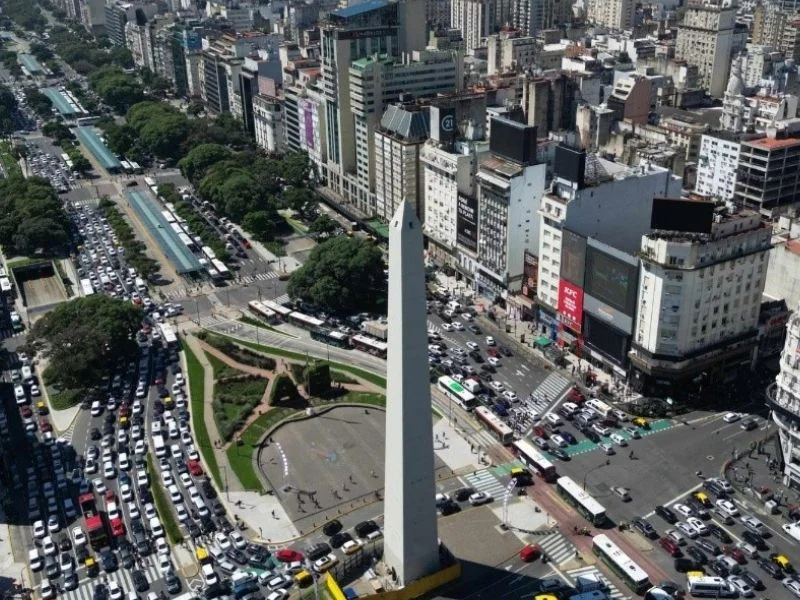
In the early hours of an otherwise ordinary day, millions of people across Argentina’s most populated urban corridor were suddenly plunged into darkness. The apagón masivo amba—a massive power outage affecting the Buenos Aires Metropolitan Area—was not just a temporary inconvenience. It was a stark reminder of how deeply modern life depends on reliable electricity and how vulnerable large cities can be when critical infrastructure fails.
From stalled trains to silent hospitals running on emergency generators, the blackout rippled across daily life, raising urgent questions about energy management, preparedness, and accountability.
What Is the AMBA and Why It Matters
The AMBA, short for Área Metropolitana de Buenos Aires, includes Buenos Aires and dozens of surrounding municipalities in the province of Buenos Aires. It is home to more than 15 million people and serves as Argentina’s political, financial, and cultural heart.
Because of this density, any disruption—especially one as severe as the apagón masivo amba—has immediate nationwide consequences. Businesses pause, transportation systems grind to a halt, and essential services are pushed to their limits.
The Moment the Power Failed
The blackout struck suddenly, with entire neighborhoods losing power at the same time. Traffic lights went dark, mobile networks became unstable, and subway lines were forced to shut down mid-service. For many residents, the first sign of trouble was not a news alert but the abrupt silence of appliances and the glow of emergency lights flickering on.
Within minutes, social media filled with images of darkened streets and crowded stations as commuters tried to find alternative ways home. The apagón masivo amba quickly became the dominant topic across digital platforms and news broadcasts.
Immediate Impact on Daily Life
Transportation Chaos
Electric trains and subways stopped operating, leaving thousands stranded. Major avenues became congested as drivers navigated intersections without traffic signals, increasing the risk of accidents.
Businesses and the Economy
Shops, restaurants, and offices were forced to close or operate at reduced capacity. For small businesses, even a few hours without power can mean lost income and spoiled goods. On a larger scale, the apagón masivo amba disrupted supply chains and financial operations centered in the capital.
Health and Emergency Services
Hospitals switched to backup generators, prioritizing critical care while postponing non-urgent procedures. Although emergency systems worked as designed, the situation highlighted how quickly a prolonged outage could escalate into a public health risk.
What Caused the Apagón Masivo AMBA?
While investigations often take time, massive blackouts in the region are commonly linked to failures in high-voltage transmission lines, overloaded substations, or inadequate maintenance during periods of peak demand. Extreme weather and aging infrastructure further increase the risk.
Energy experts note that the apagón masivo amba reflects long-standing structural challenges rather than a single, isolated mistake. As electricity consumption grows and urban areas expand, the grid must adapt—or face repeated breakdowns.
Public Reaction and Growing Frustration
For many residents, this blackout was not an isolated incident but part of a troubling pattern. Past outages, especially during summer heatwaves, have eroded public trust in energy providers and regulators.

Citizens expressed frustration over the lack of timely information during the apagón masivo amba, with many saying they learned more from social media than from official channels. Transparency, people argue, is just as important as restoring power.
A Wake-Up Call for Infrastructure Reform
The apagón masivo amba has reignited debate about Argentina’s energy future. Analysts are calling for:
-
Greater investment in grid modernization
-
Stronger oversight of private and public energy operators
-
Expansion of renewable energy sources to reduce strain on traditional systems
-
Clear emergency communication protocols for large-scale outages
Without these changes, experts warn that similar blackouts could become more frequent and more severe.
Lessons From the Darkness
While power was eventually restored, the impact of the apagón masivo amba lingers. It exposed vulnerabilities that cannot be ignored and reminded millions how fragile “normal life” can be when a single system fails.
For residents of the AMBA, the hope is that this blackout will serve as more than a momentary disruption—that it will push leaders and institutions to act decisively. Reliable electricity is not a luxury; it is a foundation of modern society.