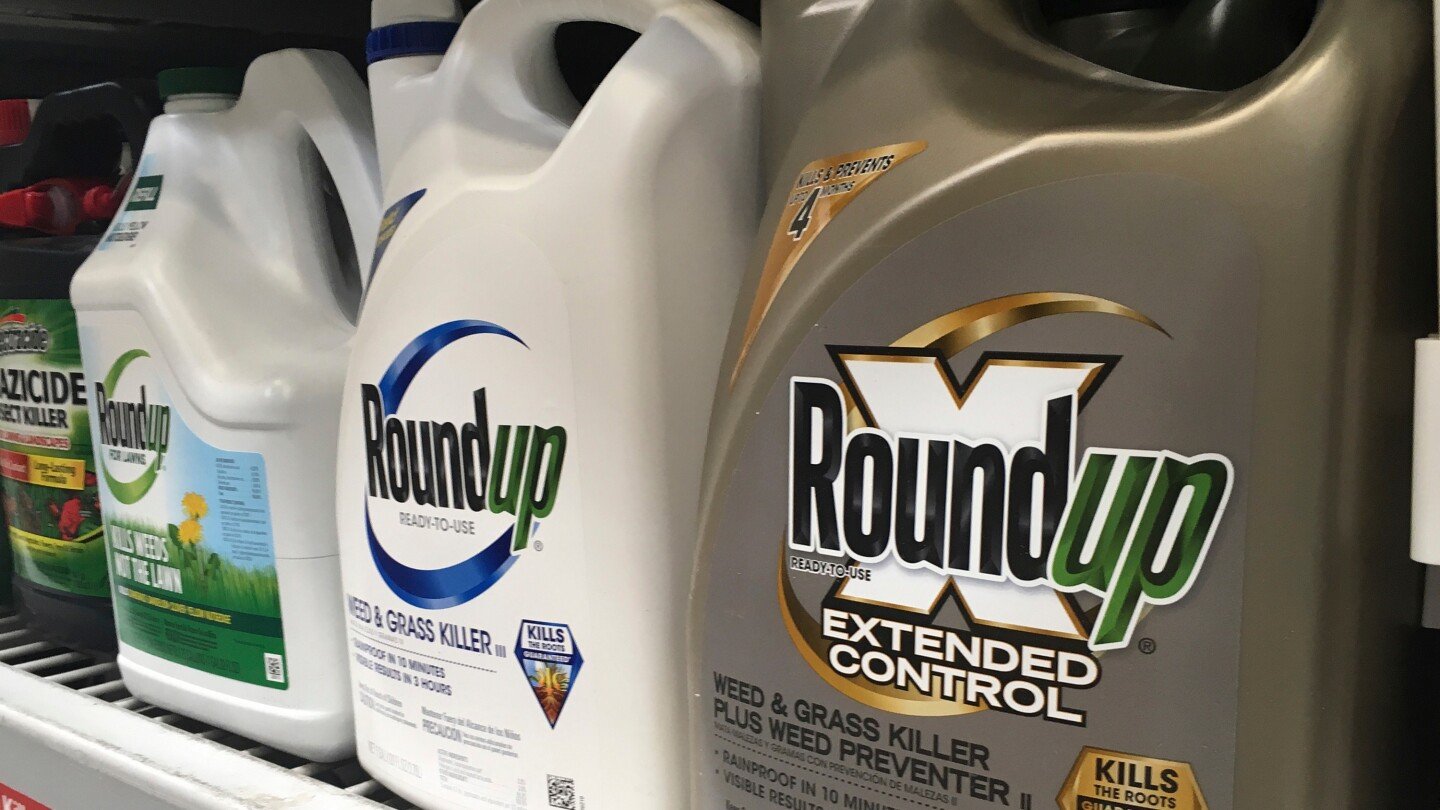
The Supreme Court of the United States has decided to take up a major appeal from Bayer, a move that could determine the future of thousands of lawsuits tied to its widely used Roundup weedkiller. The case places renewed focus on whether federal regulatory decisions should shield companies from state-level claims involving health risks.
At the heart of the dispute is The Supreme Court to Review an Appeal by the Maker of Roundup Weedkiller Aimed at Halting Thousands of Lawsuits, a legal challenge in which Bayer argues that state courts should not be allowed to hear claims alleging the company failed to warn users that Roundup could cause cancer. Bayer contends that the product’s labeling was approved by federal regulators and therefore should preempt state lawsuits.
Federal Approval vs. State Lawsuits
The justices will weigh whether approval by the Environmental Protection Agency—which allowed Roundup to be sold without a cancer warning—should override state court verdicts that have found Bayer liable. Some scientific studies have linked glyphosate, Roundup’s main ingredient, to cancer, while the EPA maintains that glyphosate is not likely to be carcinogenic to humans when used according to instructions.
The legal battle has also drawn political attention. The Trump administration has submitted arguments supporting Bayer’s position, reversing the stance taken during the Biden administration. This shift has created friction among some backers of the “Make America Healthy Again” movement, who oppose granting the company the legal protection it seeks.
Billions Set Aside, Lawsuits Continue
Although Bayer strongly disputes claims that Roundup causes cancer, the company has already earmarked roughly $16 billion to resolve existing cases. At the same time, it has lobbied state legislatures to pass laws limiting such lawsuits. Georgia and North Dakota have enacted measures that restrict claims tied to glyphosate warnings.
The Supreme Court case stems from a Missouri lawsuit in which a jury awarded $1.25 million to a man who developed non-Hodgkin’s lymphoma after repeatedly using Roundup at a community garden in St. Louis. Bayer argues that inconsistent rulings across lower courts make Supreme Court intervention necessary, pointing to a 2024 decision by the 3rd U.S. Circuit Court of Appeals that favored the company.
A Long Legal History
This is not the first time Bayer has sought relief from the nation’s highest court. In 2022, the Supreme Court declined to hear a similar appeal involving a California case that resulted in an $86 million verdict for a married couple. Since then, Bayer says the legal landscape has grown more fragmented, with courts reaching conflicting conclusions on whether federal pesticide labeling laws preempt state claims.
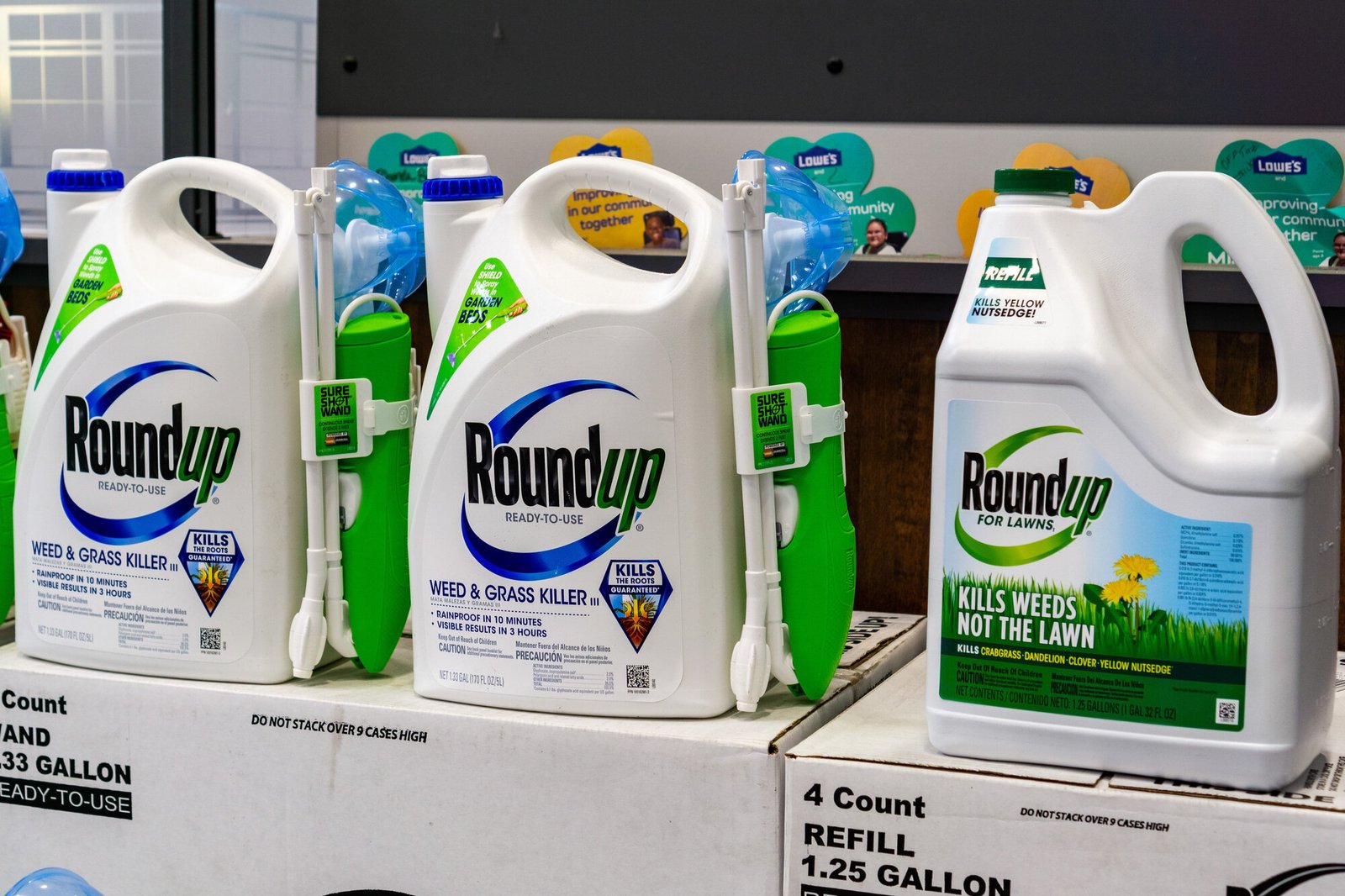
Bayer, which acquired Roundup maker Monsanto in 2018, now faces roughly 181,000 lawsuits related to Roundup. Most claims come from residential users. In response, the company has removed glyphosate from Roundup products sold to U.S. home and garden customers, though the chemical remains a cornerstone of its agricultural offerings.
What’s at Stake for Agriculture
Glyphosate-based herbicides are widely used alongside genetically modified crops such as corn, soybeans, and cotton that are engineered to withstand the chemical. Supporters say this system helps farmers boost yields while reducing soil disruption through less tilling. Bayer has warned that if litigation continues unchecked, it may be forced to reconsider selling glyphosate-based products in U.S. agricultural markets.
“We believe it’s time for the legal system to confirm that companies should not be punished under state law for following federal labeling requirements,” said Bayer CEO Bill Anderson.
Critics Push Back
Environmental advocates strongly oppose Bayer’s appeal, arguing that it aims to shut out juries after repeated losses in state courts. “It’s a sad day when cancer patients could be denied their day in court,” said Lori Ann Burd of the Center for Biological Diversity, criticizing the company’s effort to limit consumer lawsuits.