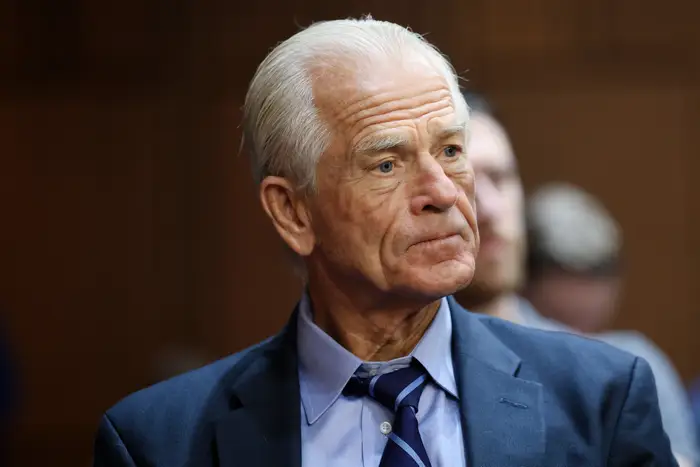
President Donald Trump’s top trade and manufacturing adviser, Peter Navarro, said Sunday that the administration is weighing new measures aimed at major data center developers as public frustration over rising electricity bills grows.
Speaking on Fox News’ Sunday Morning Futures, Navarro suggested that technology giants operating energy-hungry facilities may soon be required to shoulder a greater share of the infrastructure burden tied to their operations. In particular, he indicated that Trump trade adviser Navarro says the administration could require data center developers such as Meta to absorb or “internalize” their own infrastructure costs — including electricity usage, grid resiliency impacts, and water consumption.
“These companies need to pay for everything they’re using,” Navarro said, arguing that data center builders should not only cover their power consumption but also the broader strain they place on local systems.
What “Internalizing the Cost” Could Mean
Navarro did not provide specifics on how the policy would be structured or enforced. The White House has yet to release formal details outlining what financial obligations tech firms might face under such a plan.
The concept of “internalizing costs” typically refers to requiring companies to directly pay for the infrastructure expansions or upgrades made necessary by their operations. In this case, it could include funding for new power plants, transmission upgrades, and water infrastructure improvements in areas where massive data centers are concentrated.
When asked about Navarro’s comments, a spokesperson for Meta said the company already covers its energy usage and invests heavily in infrastructure improvements.
“Meta pays the full cost of the energy used by our data centers so it’s not passed on to consumers,” the spokesperson said, adding that the company also funds local grid upgrades and new power generation projects.
Data Centers and Rising Electricity Costs
The debate comes amid mounting concern over affordability nationwide. Electricity prices have risen sharply, increasing by nearly 7% year over year in 2025, with little indication that relief is imminent.
Data centers — which power artificial intelligence systems, cloud computing, and social media platforms — require enormous amounts of electricity and water to operate. Critics argue that the rapid expansion of such facilities has intensified strain on regional power grids, contributing to higher utility bills for households.
Navarro sought to attribute current economic pressures to former President Joe Biden, saying inflation under the previous administration weakened purchasing power. He maintained that current economic policies are designed to boost wages faster than inflation, restoring affordability over time.
“We understand the pain inflation has caused,” Navarro said. “Our focus is on policies that allow wages to outpace price increases.”
Political Pressure Ahead of 2026 Midterms
Despite those assurances, polls show voters increasingly holding President Donald Trump responsible for ongoing economic challenges. With the November 2026 midterm elections approaching, Democrats have made affordability a central campaign issue, arguing that essential goods and services have become too expensive for everyday Americans.
Polling averages compiled by RealClearPolitics show Democrats with a narrow advantage on the generic congressional ballot — a development that could complicate the administration’s legislative agenda.

Still, Trump has defended the economy’s trajectory. In a recent interview with NBC Nightly News that aired during the Super Bowl broadcast, the president expressed confidence in current conditions, saying he believes the country is already operating within what he calls the “Trump economy.”
A Push for Grid Reform
The administration has already begun taking steps to address grid reliability and rising energy demand.
In January, several states joined the White House in signing a pact urging PJM Interconnection — the nation’s largest regional transmission organization — to require large technology firms to help finance new power generation. PJM manages electricity distribution across heavily data center–concentrated regions, including northern Virginia and New Jersey.
The agreement proposed adding $15 billion in new power capacity, funded in part by major tech companies. It also called for emergency procurement measures to stabilize supply.
Energy Secretary Chris Wright warned that the Mid-Atlantic region faces significant risk if grid expansion does not keep pace with demand. He emphasized the administration’s push to accelerate construction of reliable power plants to meet growing needs.
At the same time, the White House has taken a firm stance against some offshore wind projects in the Northeast — even as energy demand from data centers surges — creating a complex dynamic in the broader energy policy debate.
Tech Companies Respond
The administration is reportedly drafting a compact that would require tech firms to guarantee that consumers are not burdened by higher utility bills tied to data center operations.
Last month, Trump announced on Truth Social that he had reached an understanding with Microsoft aimed at preventing electricity rate hikes near its facilities. Microsoft has pledged not to raise local utility costs connected to its data centers and to replenish water resources used in operations.
The White House has signaled that similar agreements with other technology giants may follow.
As the AI and cloud computing boom accelerates, the tension between innovation and infrastructure sustainability is becoming more visible. Whether new regulations emerge — and how aggressively they are enforced — could shape both the technology sector and household utility bills in the years ahead.